
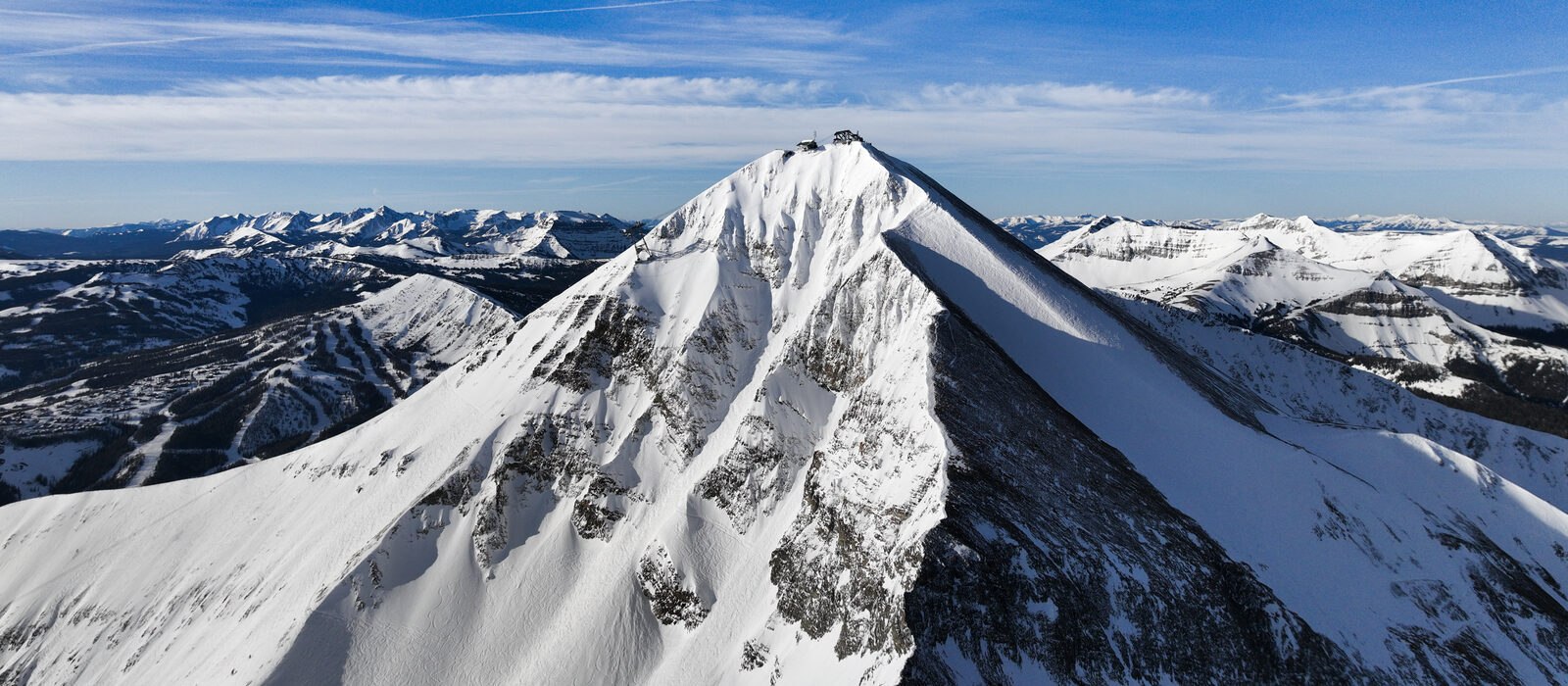
With the popularity of many of the world’s best-known ski areas increasing, you can find the slopes very busy now, particularly at peak periods. In the most extreme cases, this can take away from your holiday enjoyment if the slopes feel like busy motorways and you’re constantly having to be wary of the close proximity, speed and skiing or riding styles of fellow slope users at every turn.
If you’re in search of quieter slopes, the good news is that some great ski areas tend to have largely uncrowded pistes. Of course, all ski areas need to sell enough lift tickets to stay viable, but thanks to their design or location, some seem to still get enough visitors while having slope space to spare.
Of course, wherever you choose to go, getting your timing right can be a big factor. January, after the New Year crowds have departed, used to be a good time to hit the slopes, but that’s no longer the case at many resorts.
“Everything we thought we knew about visitor numbers has changed significantly. There are now more and more families looking for budget opportunities in between holiday periods,” commented Thomas Saison, General Manager at the Office de Tourisme de la Grande Plagne.
Instead, pre-Christmas and post-Easter are usually the quietest periods now.
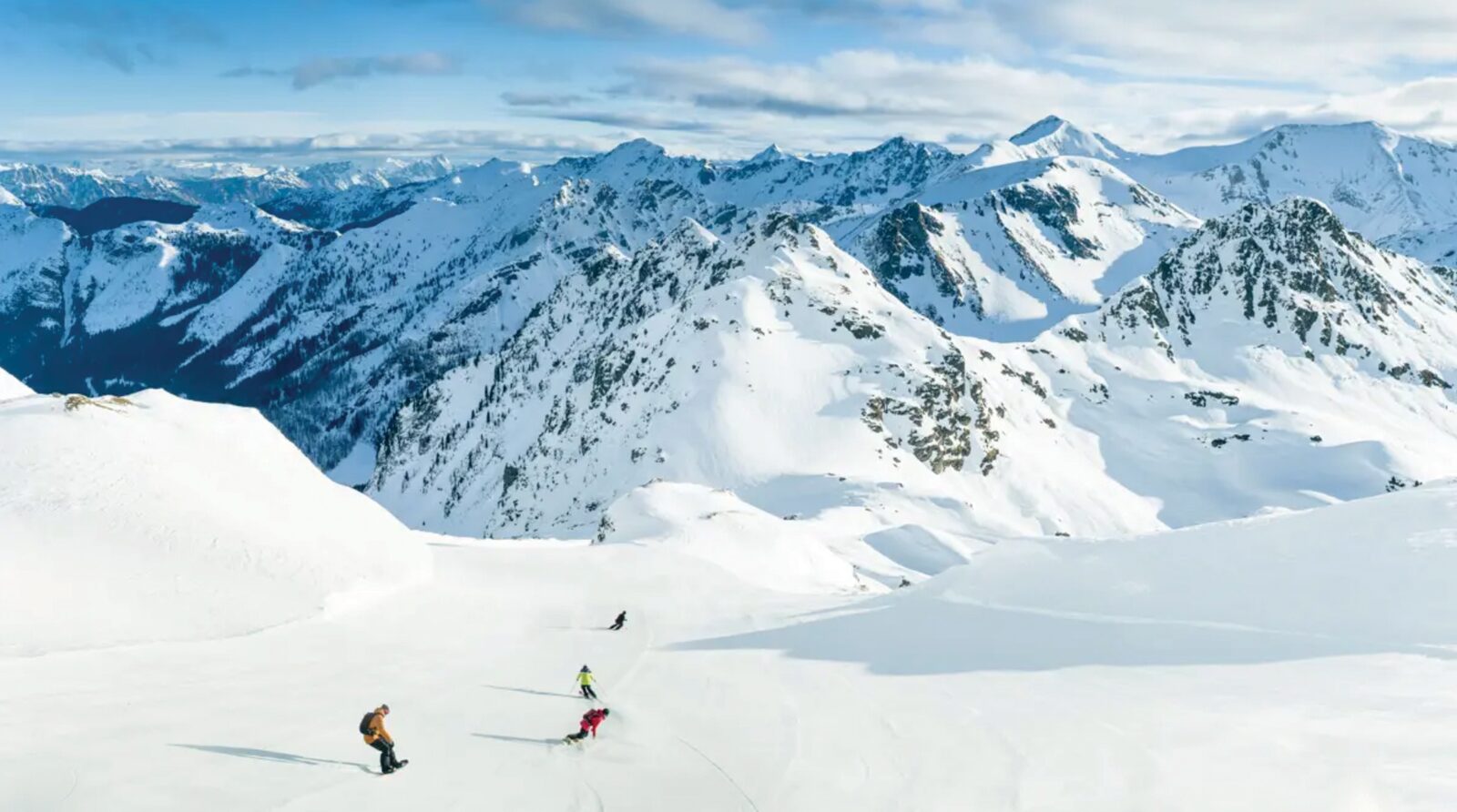
Studying the piste map to look for areas that appear to be off the main routes through the ski area can also uncover quieter terrain, usually well away from the base areas. Many larger resorts also now have apps that can give you an idea of where the quieter slopes are in real time at any point of the day.
With all that taken into account, here are some of the ski centres best known for their usually quiet slopes.
The quietest ski resorts at a glance
| Resort | Where | Why it stays quiet |
|---|---|---|
| Big Sky | Montana, USA | 5,850 acres and about two skiers per acre |
| La Rosière | France | 160km Espace San Bernardo, emptier towards the Italian border |
| Panorama | British Columbia, Canada | Nearly 3,000 acres, tucked away in the Kootenay Rockies |
| Val Cenis | France | 125km of runs with pistes up to 10km long |
| Grand Targhee | Wyoming, USA | No major city nearby and most skiers head to Jackson Hole |
| Les Sybelles | France | 127 runs across 393 hectares and linked villages |
| Vaujany | France | Small village with a direct link into the 250km Grand Domaine |
| Powder Mountain | Utah, USA | 8,464 acres served by a small lift network |
| Alta Badia | Italy | Over 500km of slopes, quiet away from the Sellaronda |
| Andermatt-Sedrun | Switzerland | 180km of pistes and 33 lifts up to 3,000m |
| Serre Chevalier | France | 250km of slopes across four connected areas |
| Obertauern | Austria | 100km circuit with fast, modern lifts |
| Scandinavia | Norway, Sweden, Finland | Remote mountain regions and rare queues |
| Sainte-Foy | France | Boutique resort most skiers drive straight past |
Big Sky, Montana, USA
Big Sky feels spacious because its sheer scale naturally disperses skiers across the mountain. With 5,850 acres of terrain and a skier density averaging about two skiers per acre, it ranks as the least crowded major resort in the United States. This vast layout spans four connected mountains and hundreds of runs, ensuring skiers rarely converge in the same zones. Its remote southwestern Montana location, an hour from Bozeman, further limits day‑trip traffic, helping to preserve low numbers on the slopes. Combined, these factors create the resort’s signature wide‑open feel, where even peak days normally remain remarkably uncrowded.
La Rosière, France
La Rosière has built a reputation as a great family destination, often overlooked by skiers heading to famous name resorts nearby in the Tarentaise Valley. But it has a big area, the Espace San Bernardo, which covers a 160km piste network and stretches across the border to the resort of La Thuile, Italy. All that space helps prevent massive bottlenecks on the French side, and as you head towards the border, you’ll find increasingly empty slopes, with most novice and family skiers sticking to the sunny, south-facing pistes by the resort. The wide and open slopes naturally accommodate skiers smoothly without feeling congested, and you can pop over to grab an authentic pizza and espresso before returning on those spacious slopes.
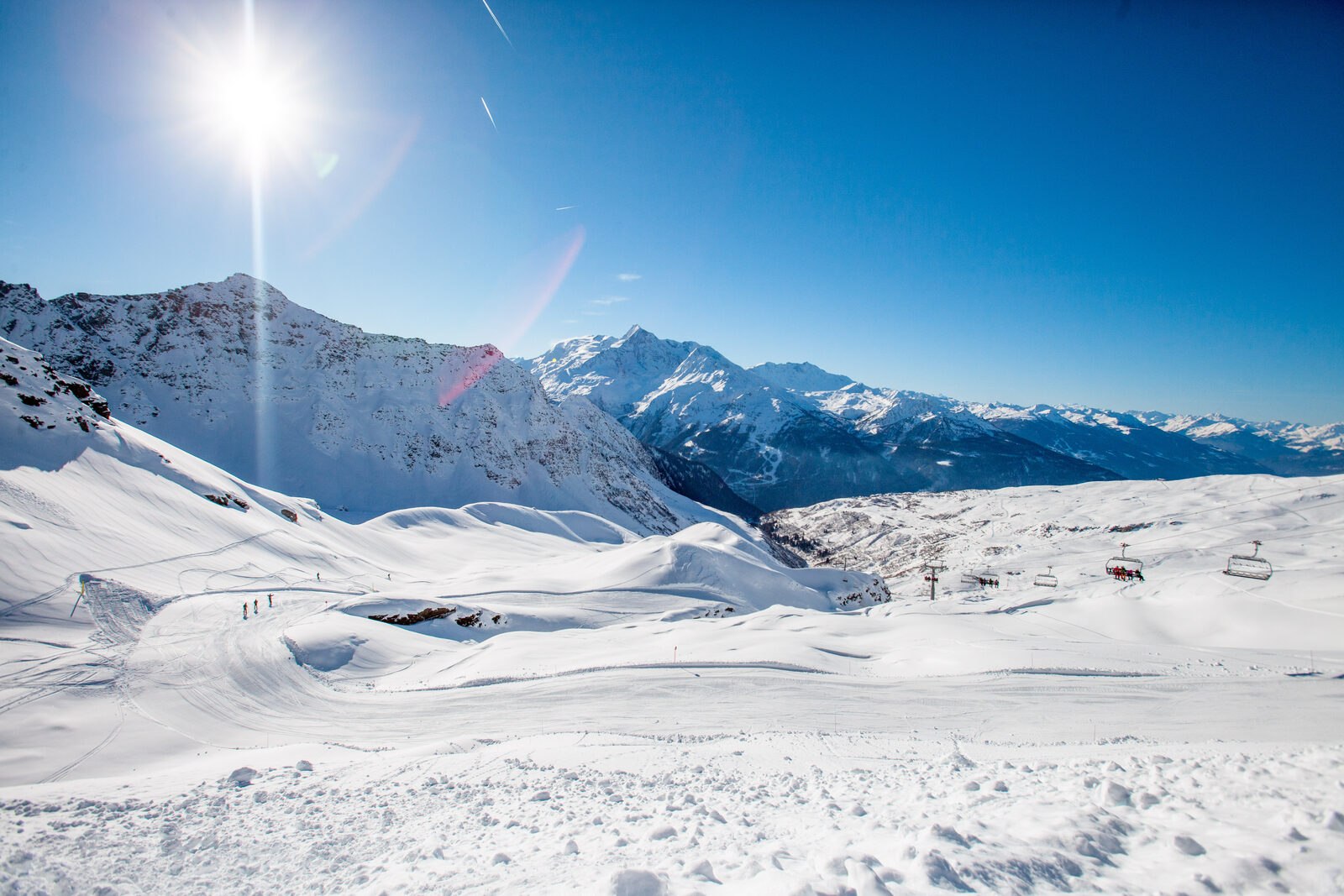
La Rosière: wide, open slopes with space to spare
Panorama, British Columbia, Canada
Panorama, on BC’s eastern border in Canada, has a reputation for uncrowded slopes that comes from a mix of geography, scale, and culture. Its tucked‑away position deep in the Kootenay Rockies tends to keep passing traffic low, with many travellers choosing closer Powder Highway resorts instead. Once they do make the wise move to turn off to Panorama, though, the ski area spreads out across nearly 3,000 acres, creating the highest terrain‑to‑skier ratio not just in North America but the entire world. That’s according to a study of the world’s 100 largest resorts by a German consultancy. Even with one of the continent’s biggest vertical drops and big‑mountain variety, Panorama has stayed quietly under the radar.
Val Cenis, France
Val Cenis is a smart choice for families and skiers seeking quieter slopes thanks to its tucked‑away location in France’s Haute Maurienne Valley. Many visitors head to better‑known resorts nearby, leaving Val Cenis and its wonderfully spacious ski area, extending to 125km of runs, rather overlooked. Its long pistes (up to 10km apiece) spread skiers out across the mountain, reducing congestion even at peak times. For anyone wanting peaceful skiing, easy progression and room to roam, Val Cenis delivers a genuinely crowd‑free experience.
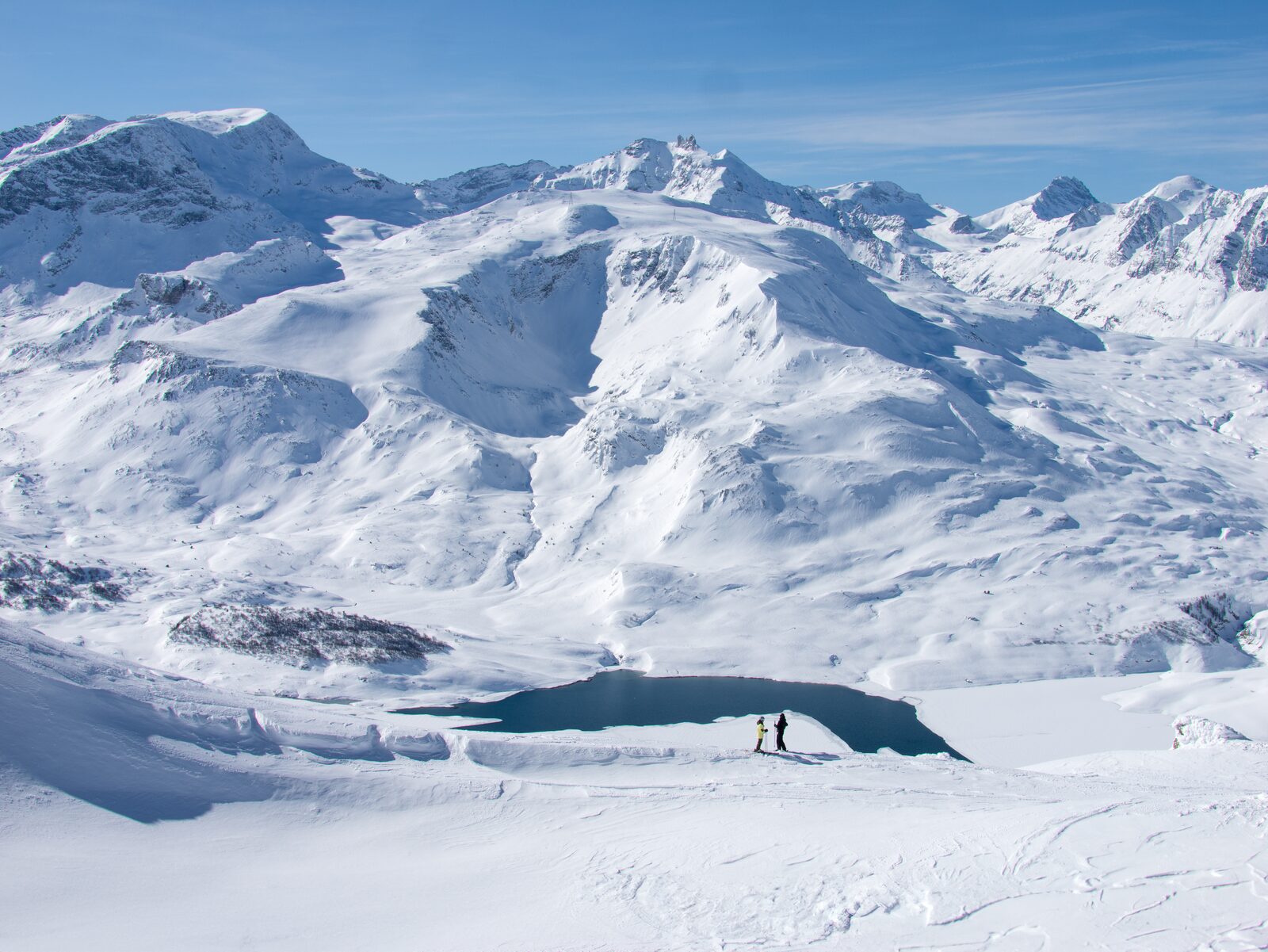
Val Cenis: room to roam above the Mont Cenis lake
Grand Targhee, Wyoming, USA
Grand Targhee is a Wyoming favourite for skiers seeking quiet, spacious slopes thanks to its secluded position on the western side of the Teton Mountains. It has no major city nearby, and most people from around the world who want to ski Wyoming go to Jackson Hole. As a result, Targhee enjoys naturally low skier traffic. Once you’re here, Targhee’s wide-open bowls and long, flowing groomers spread people out beautifully, creating a calm, unhurried feel even in peak season. The resort’s laid‑back, family‑friendly vibe adds to the sense of escape with plenty of room to roam.
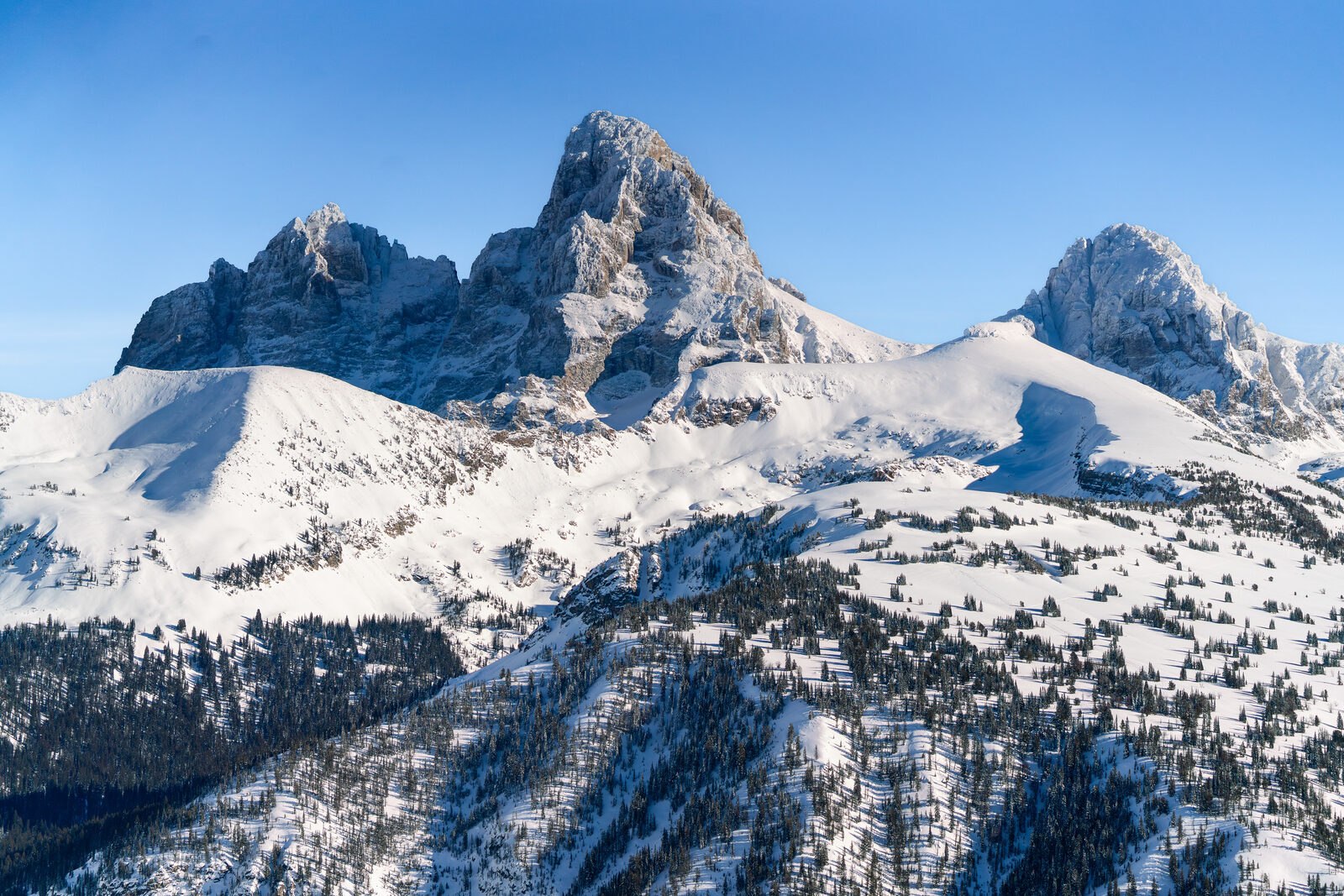
Grand Targhee: tucked away on the western side of the Tetons
Les Sybelles, France
Les Sybelles is an excellent choice for skiers seeking quiet slopes thanks to its vast, uncrowded terrain and calm village atmosphere. Hidden in the Maurienne region, it offers one of France’s largest ski areas yet remains surprisingly unspoilt. The fluid layout lets skiers move easily between sunny plateaus, secluded valleys and peaceful villages, keeping crowds dispersed. With 127 runs across 393 hectares around the Ouillon, there’s ample space to roam without the intensity of major Alpine resorts. Each linked village has its own gentle rhythm, allowing visitors to enjoy the mountains at their own pace.
Vaujany, France
Vaujany is an excellent choice for skiers seeking quiet, crowd‑free slopes paired with fast access to major terrain. Its small, traditional village atmosphere keeps skier numbers low, and the efficient lift system links directly into the vast Alpe d’Huez Grand Domaine with 250km of pistes. You get quiet local runs for warm‑ups, then swift connections to high‑altitude terrain, including the chance to reach the legendary Sarenne, one of the world’s longest black descents, before the crowds from Alpe d’Huez. This balance of a small village and a big mountain next door makes Vaujany ideal for families and relaxed skiers who want space, scenery and seamless access to a huge ski area.
Powder Mountain, Utah, USA
Now majority-owned by Netflix co-founder Reed Hastings, Powder Mountain is one of Utah’s best choices for skiers seeking quiet, spacious slopes. Its vast 8,464‑acre footprint makes it the largest ski area in the United States, yet it operates with a relatively small lift network. That imbalance is exactly why the mountain feels so peaceful: skiers naturally spread out across huge tracts of terrain, much of it accessed by short hikes or cat‑assisted laps rather than high‑capacity lifts. The result is very uncrowded runs, minimal bottlenecks, and a mellow, backcountry‑style atmosphere. Even on busy days, Powder Mountain’s scale ensures you can find long, uninterrupted fall‑line skiing and wide‑open space.
Alta Badia, Italy
The Sellaronda circuit that links Alta Badia, the Fassa Valley, Val Gardena and other areas together in the Italian Dolomites has been a huge success, and the main routes around the circuit are usually busy through much of the season, with bottlenecks and queues sometimes appearing even where the most efficient queue-gobbling lifts have been installed. But although it’s not really promoted for its size, the area is vast with over 500km of slopes, so if you stay away from the areas associated with the Sellaronda, a relatively small part of it all, you can find many quieter nooks and corners of the piste map that few venture into.
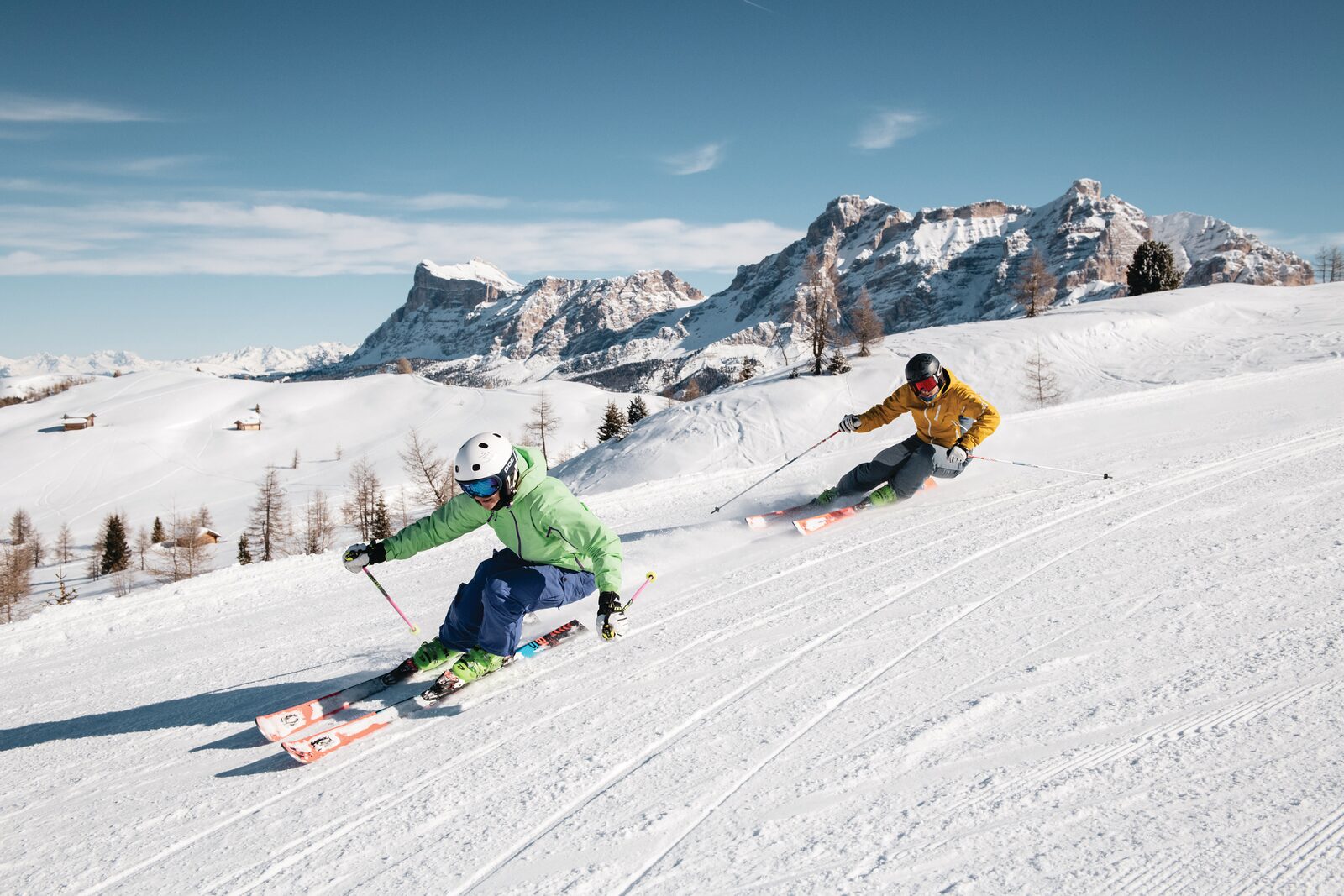
Alta Badia: step off the Sellaronda and the pistes open up
Andermatt-Sedrun, Switzerland
Andermatt is a famous name in Swiss skiing, but it still flies under the radar a little, despite a massive makeover over the past decade or so that has seen hundreds of millions of francs/pounds spent on a new base village development and state-of-the-art lifts.
It is now the largest connected ski area in Central Switzerland (the heart of the Swiss Alps). In 2019, the Sedrun-Cuolm da Vi gondola lift created a direct connection between the Andermatt-Sedrun and Disentis ski areas, providing a total of 180km of pistes served by 33 state-of-the-art lifts, with terrain climbing up to 3,000 metres. All this essentially equates to plenty of slope space to spread out across.
Serre Chevalier, France
Serre Chevalier is one of France’s big ski areas with a huge 250km of slopes. But visitors frequently find that they have large stretches of pistes to themselves, even during peak holiday weeks. Reviewers often remark that lift queues are generally short to non-existent, the only real exception being at ski school morning meeting points. The huge ski area has interconnected pistes across four main areas, which helps spread skiers out.
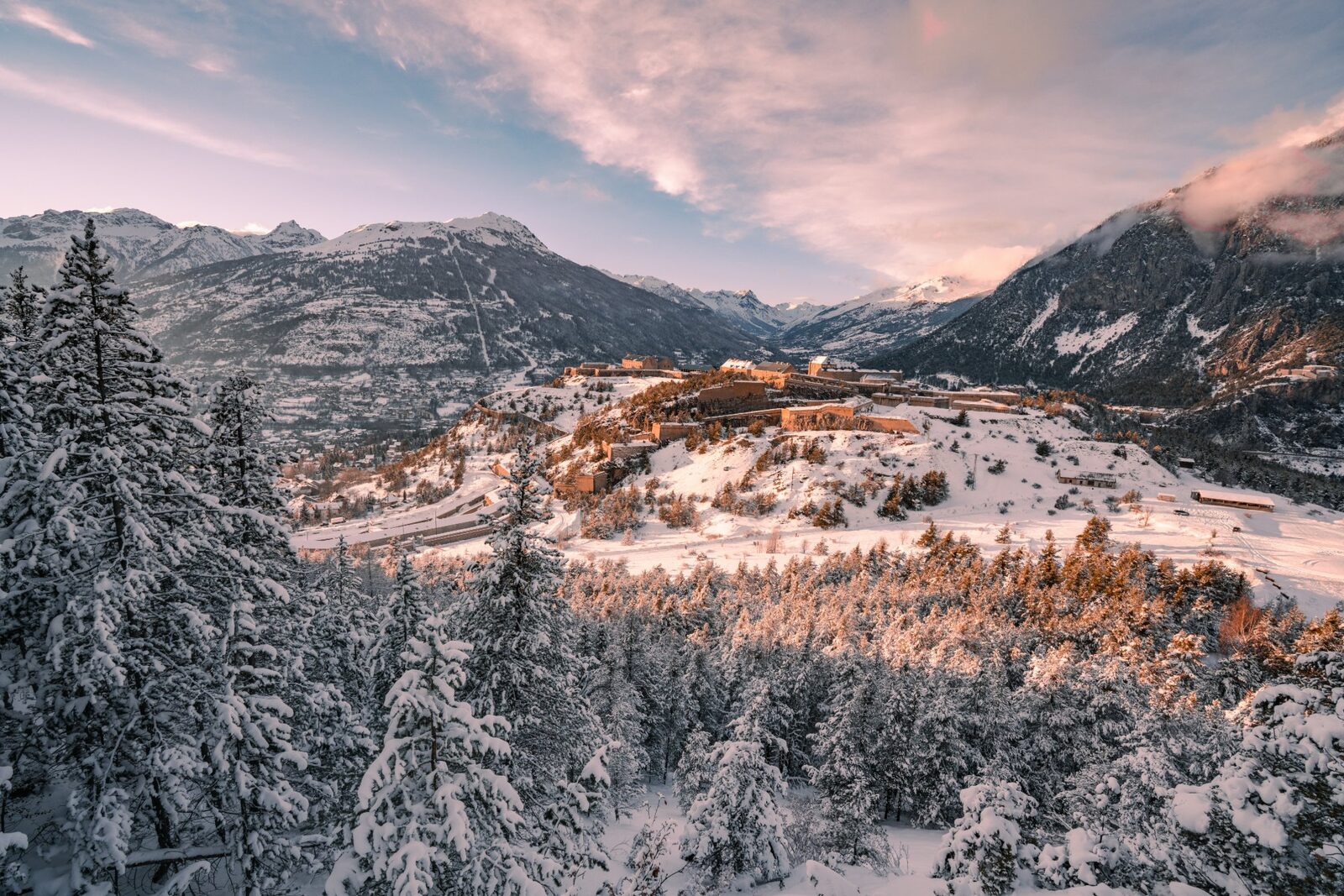
Serre Chevalier: 250km of slopes across four connected areas
Obertauern, Austria
Obertauern is a strong choice for skiers seeking quieter slopes, particularly outside peak holiday weeks. Its efficient, circular layout, including a popular circuit known as the Tauernrunde, lets visitors move smoothly around 100km of linked pistes, helping prevent crowd build‑ups. With a fleet of fast, modern lifts, any queues are typically short, with fast-moving lines and noticeably less congestion outside Christmas, New Year and February school holidays. Early December and late March are especially calm, offering wide, open runs and plenty of space to roam. While Austrian and German holiday periods do bring heavier traffic, Obertauern’s overall flow still keeps everything moving.
Scandinavia
One idea for those seeking quieter slopes is to look north to the ski areas in Norway, Finland and Sweden, where there’s rarely any congestion on the snow. Scandinavia’s ski areas have been growing in popularity with Brits in recent years and are well known for their uncrowded slopes, offering a calmer experience than many Alpine resorts. Many resorts sit in remote mountain regions, where visitor numbers remain modest even in mid‑winter. Lift systems are efficient, queues are rare and quiet forest trails and high‑plateau runs create a sense of space.
Sainte-Foy, France
Last but certainly not least, Sainte‑Foy Tarentaise is somewhat hidden in plain sight; skiers in Les Arcs, Tignes and Val d’Isère are all very close to it, but the vast majority just drive on by. As a result, it’s an excellent choice for skiers seeking quieter slopes thanks to its boutique, low‑key character and protected location in the Tarentaise Valley. While those world-famous nearby giants draw the crowds, Sainte‑Foy remains blissfully uncrowded. Its tree‑lined pistes, gentle family terrain and superb off‑piste bowls feel spacious and serene throughout the season, creating one of the most tranquil experiences in the French Alps.
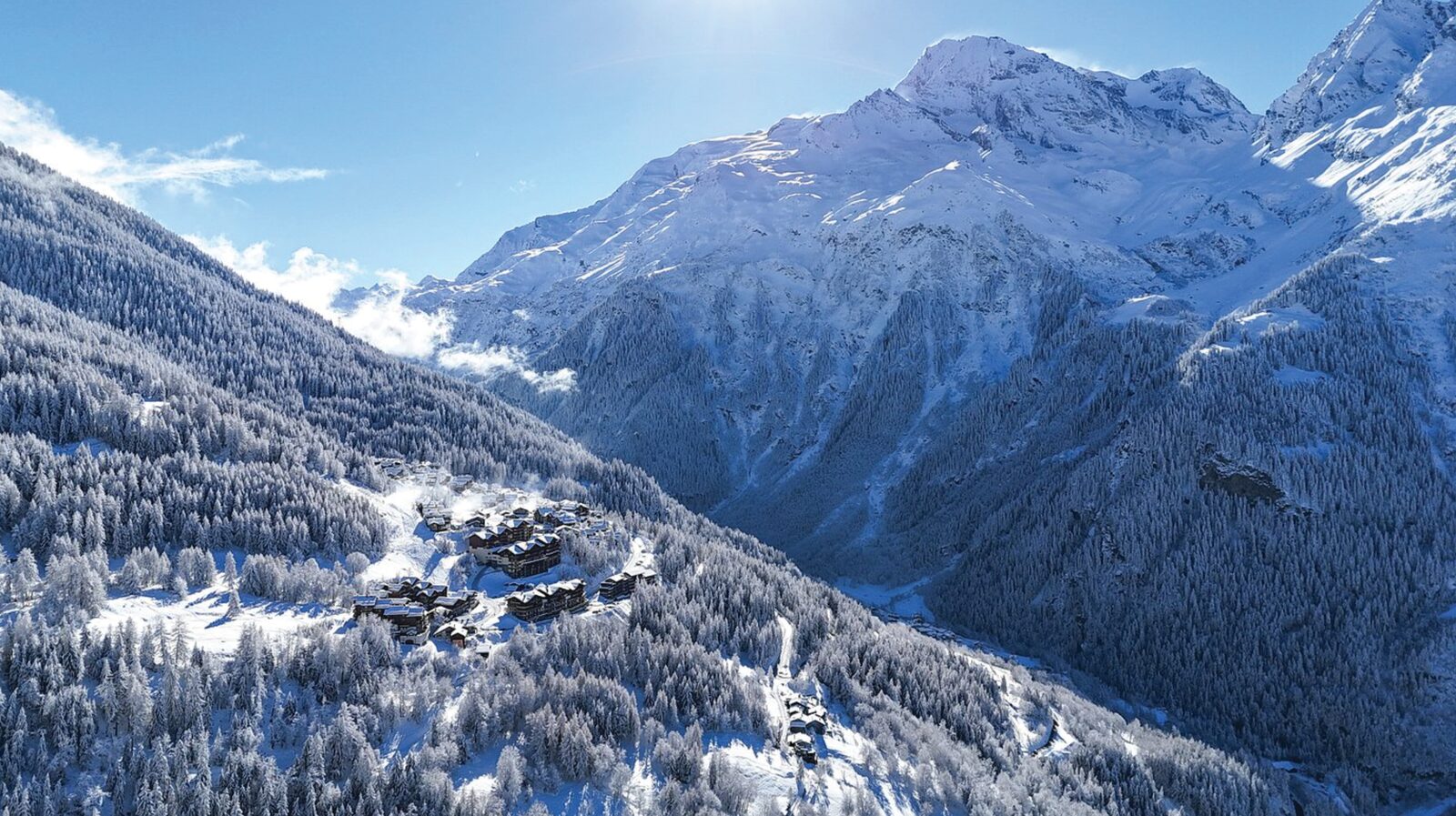
Sainte-Foy Tarentaise. Photo: Sainte-Foy Tourist Office
Quiet ski resorts: your questions answered
What is the least crowded ski resort in the USA?
Big Sky in Montana is ranked the least crowded major resort in the US, with 5,850 acres of terrain and an average of about two skiers per acre. Powder Mountain in Utah is the largest ski area in the country at 8,464 acres, and its small lift network keeps the runs quiet too.
When are ski slopes at their quietest?
Pre-Christmas and post-Easter are now usually the quietest times to ski. January used to be the safe bet once the New Year crowds had gone home, but with more families travelling between holiday periods, that is no longer the case at many resorts.
Which French ski resorts have the quietest slopes?
La Rosière, Val Cenis, Les Sybelles, Vaujany, Serre Chevalier and Sainte-Foy Tarentaise all have a reputation for uncrowded pistes. Several of them sit right next to famous names, and most skiers simply drive past on their way to the bigger resorts.
How can I avoid the crowds at a busy ski resort?
Study the piste map for runs that sit off the main routes and well away from the base areas, and check whether the resort app shows where the quieter slopes are in real time. In Alta Badia, for example, staying away from the Sellaronda circuit opens up far quieter corners of a 500km ski area.