Serfaus–Fiss–Ladis
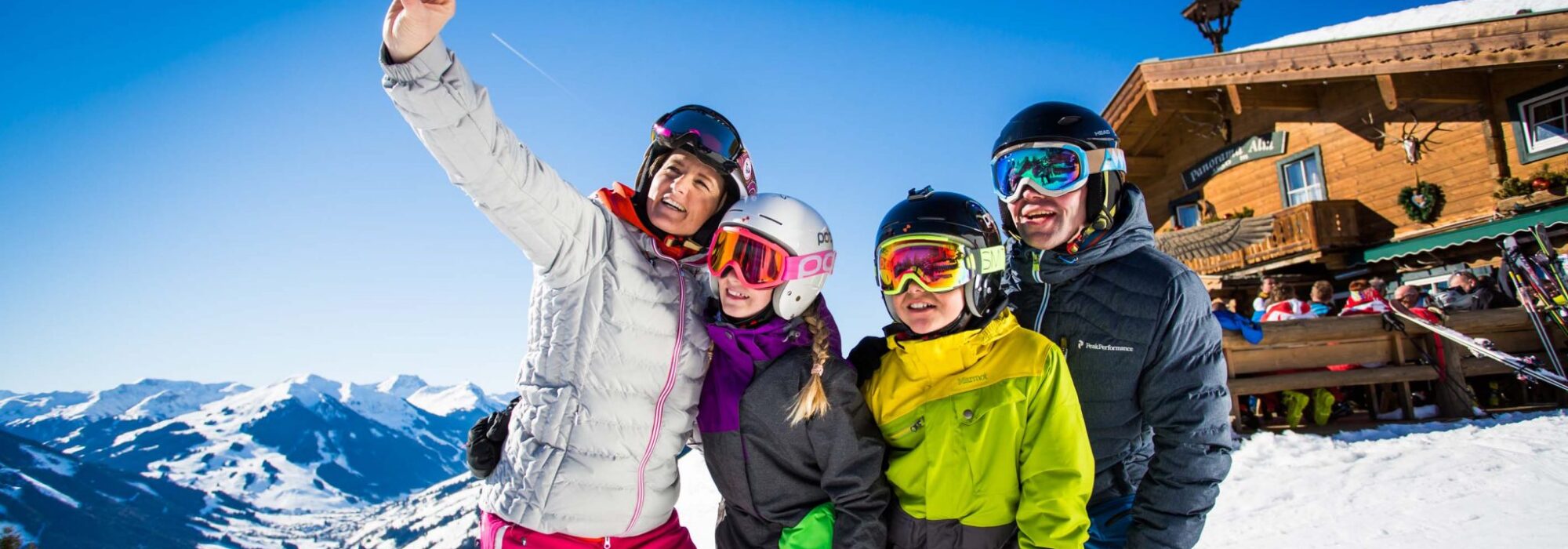
Serfaus–Fiss–Ladis has become something of a reference point for family skiing in the Alps, and it doesn’t take long to see why once you’re there.
The three villages sit on a broad, south-facing plateau, which gives the whole area a lighter, more open feel than many resorts tucked into narrower valleys. There’s a substantial amount of skiing here, well over 200km, but it’s spread out in a way that never feels overwhelming. The runs are wide, well-groomed and forgiving, which makes a noticeable difference when skiing as a family rather than simply covering distance.
Where the resort really stands out is in how it approaches younger skiers. The children’s areas are not an afterthought but a central part of the mountain, properly designed spaces where learning and enjoyment sit comfortably together. It’s common to see children progress quickly here, partly because of the layout and partly because of the consistency of the ski schools, which are among the best in Austria.
There’s also a practical ease to everything. The underground railway in Serfaus quickly becomes part of the routine, taking the effort out of getting to the slopes, while lift connections across the ski area are smooth enough that you rarely need to think about logistics.
Off the slopes, there’s plenty to keep the week varied, from toboggan runs to indoor play areas, all of which fit easily into the day without feeling like a separate activity.
The resort has also set the benchmark for family-focused infrastructure in Austria, with dedicated children’s zones, themed learning areas and on-mountain play spaces designed to make progression feel natural rather than pressured.
Zell am See–Kaprun

© Zell am See-Kaprun Tourismus
Zell am See–Kaprun is one of those resorts where the setting becomes part of the holiday.
The lake sits at the centre, often frozen through the winter, with the slopes rising up around it. It gives the resort a sense of space that feels slightly different from more enclosed Alpine valleys.
The skiing is split between the Schmittenhöhe and the Kitzsteinhorn glacier, and that combination works well for families. The Schmittenhöhe is where most people find their rhythm, with wide pistes and a layout that feels easy to follow without constant reference to a map. Over in Kaprun, the glacier brings altitude and a level of snow reliability that becomes more noticeable as the season progresses.
There’s a natural progression to the place. You can start gently, build confidence and gradually explore further afield over the course of the week.
Off the slopes, the lake draws you back. Whether it’s skating, walking along the shoreline or simply taking in the setting, it becomes part of the daily routine, while Kaprun’s spa facilities offer a more relaxed alternative if the weather closes in.
Obergurgl–Hochgurgl
Obergurgl–Hochgurgl is often described as one of Austria’s most snow-sure areas, but what stands out more is the sense of calm that comes with it.
Set high in the Ötztal Valley, it sits above the tree line, where the landscape opens out and the slopes feel more spacious. That altitude brings consistency, which is particularly reassuring when travelling with children during peak weeks.
On the mountain, there’s a simplicity to how things are laid out. The runs are wide, clearly defined and rarely crowded, which gives children the space to find their rhythm without feeling pressured. The lift system connects everything efficiently, so you can explore the area without overthinking your route.
Ski schools here are well established and run with a steady, structured approach that helps children settle in quickly. Many hotels are positioned close to the slopes, often with ski-in, ski-out access, which makes the start and end of each day straightforward.
Off the slopes, the pace remains relaxed, with tobogganing, winter walking and sledging all fitting naturally into the week.
Alpbach (Ski Juwel Alpbachtal Wildschönau)
Alpbach has a quieter, more traditional feel, and that tends to shape the whole experience.
The village itself is often described as one of the most attractive in Austria, with its wooden buildings and unhurried atmosphere. It’s the kind of place where evenings are spent lingering over dinner rather than rushing from one thing to the next.
The skiing forms part of the Ski Juwel area, linking Alpbach with the Wildschönau. It’s not the largest ski domain, but that works in its favour for families. The runs are manageable, easy to link together and rarely intimidating, which makes it easier for children to build confidence steadily.
Ski schools are strong, particularly for younger children, and there’s a sense of familiarity to the way things are run.
Off the slopes, the Alpbachtal region offers winter walking, sledging and smaller-scale activities that feel in keeping with the village itself, adding variety without taking away from the slower pace.
Ellmau (SkiWelt Wilder Kaiser–Brixental)

Ellmau gives access to one of Austria’s largest ski areas, but it does so in a way that still feels manageable.
The SkiWelt stretches across a wide area, yet the connections between runs are straightforward, so you can explore gradually rather than trying to cover everything at once. For families, that makes a difference. You can start close to the village, settle into the skiing and then extend your range as confidence builds.
The slopes offer a good mix of terrain, with plenty of gentle runs alongside longer pistes that allow progression. It’s the kind of place where different members of the family can ski at their own level and still meet up easily throughout the day.
Ski schools are well organised, and the infrastructure across the area is consistently strong.
Away from the slopes, the Wilder Kaiser region offers a good range of activities, from tobogganing to winter walking, all of which fit easily into the week.
Saalbach Hinterglemm Leogang Fieberbrunn
Saalbach Hinterglemm offers scale, but in a way that still feels accessible.
The Skicircus links together a wide network of pistes, allowing you to move across the area without doubling back. For families, that can add a sense of exploration to the week, with the option to ski somewhere new each day.
There’s a good balance of terrain, including gentle slopes for beginners, dedicated family areas and longer runs for those progressing. The lift system is modern and efficient, which keeps things moving even during busier periods.
It tends to work particularly well for families with older children, who enjoy the variety and the sense of covering ground.
Off the slopes, there’s plenty going on, from toboggan runs to snow-based activities, giving the resort a slightly more energetic feel overall.
Seefeld
Seefeld offers a gentler introduction to skiing, and that shapes the whole experience.
Set on a wide plateau above Innsbruck, it feels open and accessible, and the skiing reflects that. Slopes are forgiving and well spaced, making them ideal for beginners and younger children who benefit from a more relaxed environment.
There’s no pressure to move quickly onto steeper terrain, and that slower pace often helps build confidence early in the week.
Seefeld is also known for its cross-country skiing, which adds another dimension for families looking to try something different.
Off the slopes, there’s a strong choice of activities, from sledging to winter walking and indoor facilities, making it easy to vary the pace of the holiday.
Mayrhofen (Zillertal)

© Tirol
Mayrhofen brings a slightly different feel to a family ski holiday, with a bit more energy and range than many of the smaller Austrian resorts, and it tends to suit families with older children particularly well.
Set in the heart of the Zillertal Valley, it offers access to a wide stretch of skiing, not just on its own Penken and Ahorn mountains, but across the wider valley if you choose to explore further. That sense of scale becomes more noticeable as the week goes on, especially for families who like the idea of gradually covering more ground rather than staying in one area.
The skiing itself is varied in a way that works well for mixed abilities. The Ahorn side, just above the village, is often where families begin. It’s quieter, with wide, gentle slopes that are well suited to beginners and those finding their confidence. It also has a more relaxed feel overall, which can make the first couple of days easier.
Over on the Penken, the terrain opens up considerably. There’s a good mix of blue and red runs, many of them long and flowing, which makes it possible to spend a full day skiing without repeating the same routes too often. For children who are already comfortable on skis, it’s a natural step up, offering just enough challenge to keep things interesting.
Ski schools here are well established and cater for a wide range of ages, from young children through to teenagers. There’s a sense of flexibility in how the lessons are run, which suits families who want to shape the week around their own pace rather than follow a rigid routine.
The lift system is modern and efficient, although the area can feel busier than some smaller resorts at peak times, something that’s worth bearing in mind if you’re travelling during school holidays. Even so, once you move away from the main access points, it’s usually possible to find quieter runs.
Back in the village, Mayrhofen has more going on than many Austrian resorts. There’s a wide choice of restaurants, cafés and activities, which can be a real advantage for families with older children who appreciate a bit more variety once the lifts close. The wider Zillertal also offers tobogganing, ice skating and indoor attractions, giving you options if the weather changes or you want a day away from the slopes.
It’s a resort that tends to work best for families who are looking for a bit more flexibility and range, particularly those with children who are already skiing confidently and want to explore a little further each day.
Lech Zürs (Arlberg)

© Lech Zürs am Arlberg
Lech Zürs brings a more refined feel to a family ski holiday, but in a way that still feels relaxed and very Austrian. It is polished, certainly, with excellent hotels, smart restaurants and a long-standing reputation as one of the classic resorts of the Alps, but it also works remarkably well for families who want the skiing to feel smooth, well organised and quietly special.
Part of the wider Arlberg region, Lech Zürs gives access to one of Austria’s great ski areas, with an extensive network of lifts and pistes stretching across Lech, Zürs, St Anton, St Christoph, Stuben, Warth and Schröcken. For families, though, the real appeal is often found closer to Lech itself, where the slopes feel spacious, beautifully maintained and easy to enjoy together.
The skiing around Lech has a calm, confidence-building quality. The pistes are wide, well groomed and linked in a way that feels natural, so families can ski together without constantly stopping to check where they are. There is plenty here for improving skiers, particularly children who have already had a week or two on snow and are ready to move beyond the nursery slopes. For more confident families, the wider Arlberg opens up a huge amount of terrain, giving older children and teenagers the sense of a bigger ski adventure.
Lech also has a very strong tradition of ski teaching, and that makes a real difference. The ski schools are well established, professional and reassuringly structured, with instructors who are used to working with international families. Lessons tend to feel calm and organised, and children are given time to develop properly rather than being pushed too quickly. For parents, that sense of trust is a big part of the appeal.
The village itself is another reason Lech works so well. It has a gentler rhythm than some larger resorts, with a compact centre, elegant hotels and plenty of good places to stop for lunch or an early evening meal. The atmosphere is high quality without feeling flashy, which suits families looking for comfort and ease rather than noise and nightlife.
Off the slopes, there is enough to add variety to the week without pulling the holiday in too many directions. Winter walking trails, skating, tobogganing and horse-drawn sleigh rides all fit naturally into the pace of the resort. It is the kind of place where a non-ski afternoon can still feel very much part of the mountain holiday.
Lech Zürs is best suited to families who want a premium ski experience with strong service, excellent instruction and skiing that feels beautifully managed. It is especially good for families with children who already ski a little, or for those looking for a more comfortable, considered version of an Austrian ski holiday.