
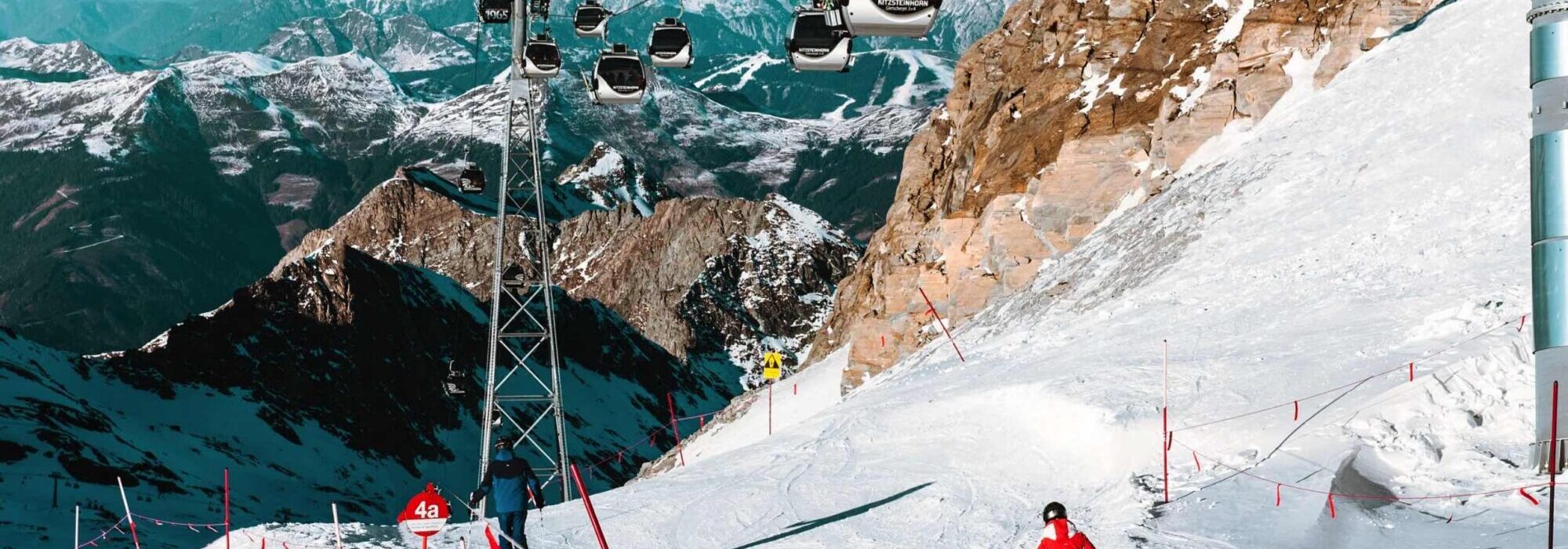
You know the feeling: fresh snow, blue skies and that irresistible urge to squeeze in one more run. Then, halfway down the mountain, your thighs start burning and you realise you’ve barely stopped for water. Could your smartwatch help? Surprisingly, yes. Used sensibly, it can make a ski trip smoother, safer and even more memorable, without turning your holiday into a fitness challenge.
Four weeks to go, get ski-ready
Your first run shouldn’t be your first workout. A month before departure, aim for two or three 30-minute sessions each week. Try three sets of 10 squats, 10 reverse lunges per leg and a 30-second wall sit. Add cycling or brisk uphill walks to build stamina, and practise balancing on one leg while brushing your teeth.
Use your watch to track sessions and spot gaps in your routine, rather than chasing a personal best every day. For more preparation ideas, explore InTheSnow’s guide to staying fit and safe on the slopes.
First chairlift: prepare before you click in
Before heading out, check the resort forecast, lift openings and piste map. Pick a meeting point with your group, charge your watch and download any offline maps it supports. Some models offer dedicated ski tracking; others only measure general activity. Our Amazfit T-Rex 3 Pro review shows what to look for in a more outdoor-focused device.
Start with a gentle run, even if you’re itching to tackle something steeper. Make rounded turns, keep your knees relaxed and look towards where you want to go. If you’re skidding uncontrollably or leaning back, move to easier terrain. A qualified instructor can help far more than any app.
Llisten to your legs, not just your stats
A route recording is fun to revisit, but don’t let it become a competition to cover the most kilometres. Stop somewhere safe after a couple of runs to check your progress, drink water and decide whether your legs are ready for more. Take a proper break roughly every hour, especially when the snow gets heavy or visibility deteriorates.
Never glance at a notification while skiing. A watch can’t warn you reliably about ice, other skiers or a piste that’s beyond your ability. Your eyes belong on the mountain.
The overlooked essential is a comfortable strap
Little annoyances feel bigger when you’re wearing thermals, gloves and a thick jacket. A strap that catches on your cuff can be distracting all day. Check that your watch sits snugly without pinching and that your glove still fits comfortably. If you wear a Fitbit Versa 4, there are different Fitbit Versa 4 straps to explore before you travel. Remember that cold weather and GPS use can shorten battery life.
Last run of the week!
Back at the chalet, revisit your route and relive that brilliant descent you almost didn’t attempt. Then put the watch on charge and enjoy your evening. The best ski day isn’t the one with the biggest number on your screen. It’s the one that leaves you smiling — and ready to do it all again tomorrow.