


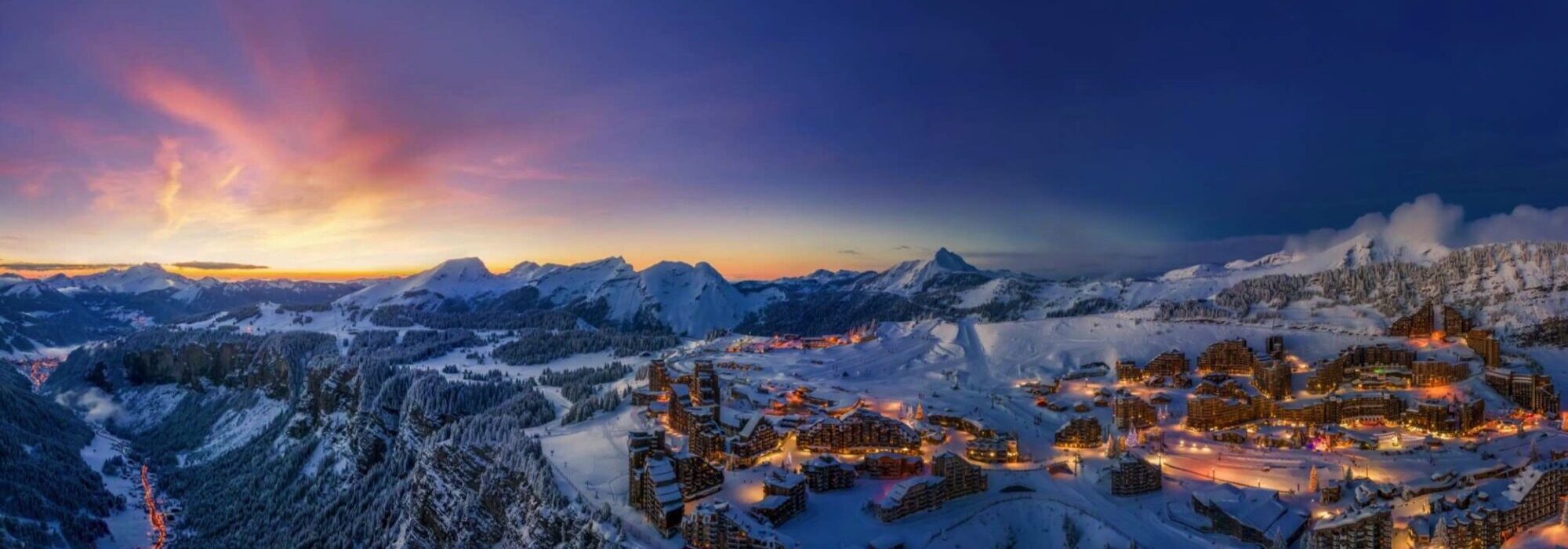
Avoriaz celebrates its 60th anniversary in 2027. Here is the story of France’s only car-free ski resort, from Jean Vuarnet’s dream and its extraordinary cedar-clad architecture to The Wall, the Stash and everything new for winter 2026-27.
Main image: @ Poppr VR
Avoriaz is different. It always has been. And throughout 2027 it celebrates its 60th birthday. It’s hard to think that a ski resort that still seems so avant garde, so revolutionary, so cool could reach the big 6-0. But here we are.
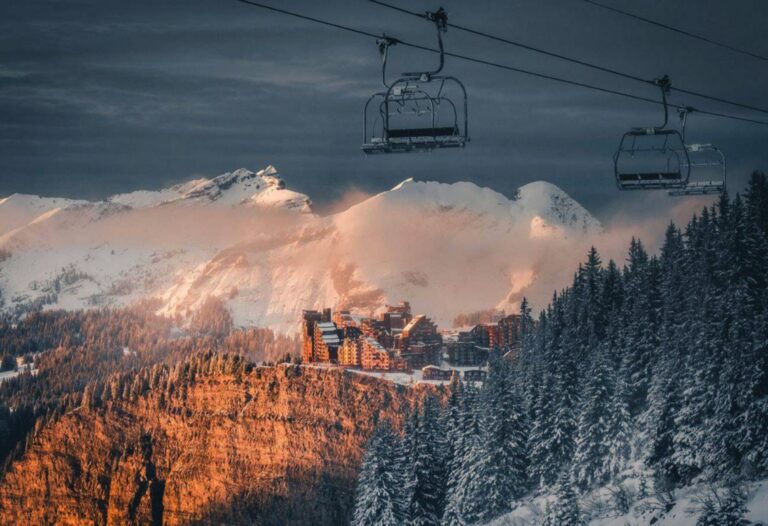
For those not familiar with it, the first thing that strikes you, from a distance, is how stylish the wood clad buildings are. Rather than the rectangular blocks of most ski areas dating from the 1960s, the buildings flow along the mountainside, looking part of their environment rather than an alien invader. It looked very cool back in 1966 and it still does today.
@ Loïc Bouchet Photography
Get closer and you’ll realise the one big difference from other purpose-created ski centres, Avoriaz is 100% car-free and 100% ski-in/ski-out. There are no roads for cars, you just step out of your hotel or apartment onto the snow and ski off. Avoriaz is the only car-free resort in France.
Then there’s the ski area itself. The Portes du Soleil is one of the largest in the world with about 600km of slopes skiable from Avoriaz. It’s not just big, it’s international, with part of this vast domain in France, part in Switzerland, you ski over the border.
There’s something for every ability here and for every taste. Beyond the seemingly endless runs the resort’s pioneering Stash terrain parks, its industry-leading child learning programmes, its exceptional freeriding all add to what makes it so special.
Over the years, as Avoriaz has slowly grown, so have its off-slope attractions too, including some great restaurants and bars and its famous Aquariaz indoor water park.
One of the World’s Great Ski Areas
Although part of a vast ski domain of 600km of slopes, skiing in Avoriaz has always been about more than just covering kilometres of piste. Perched at 1,800 metres and entirely ski-in/ski-out, the resort places skiers straight onto the slopes from their accommodation, creating an unusually seamless mountain experience.
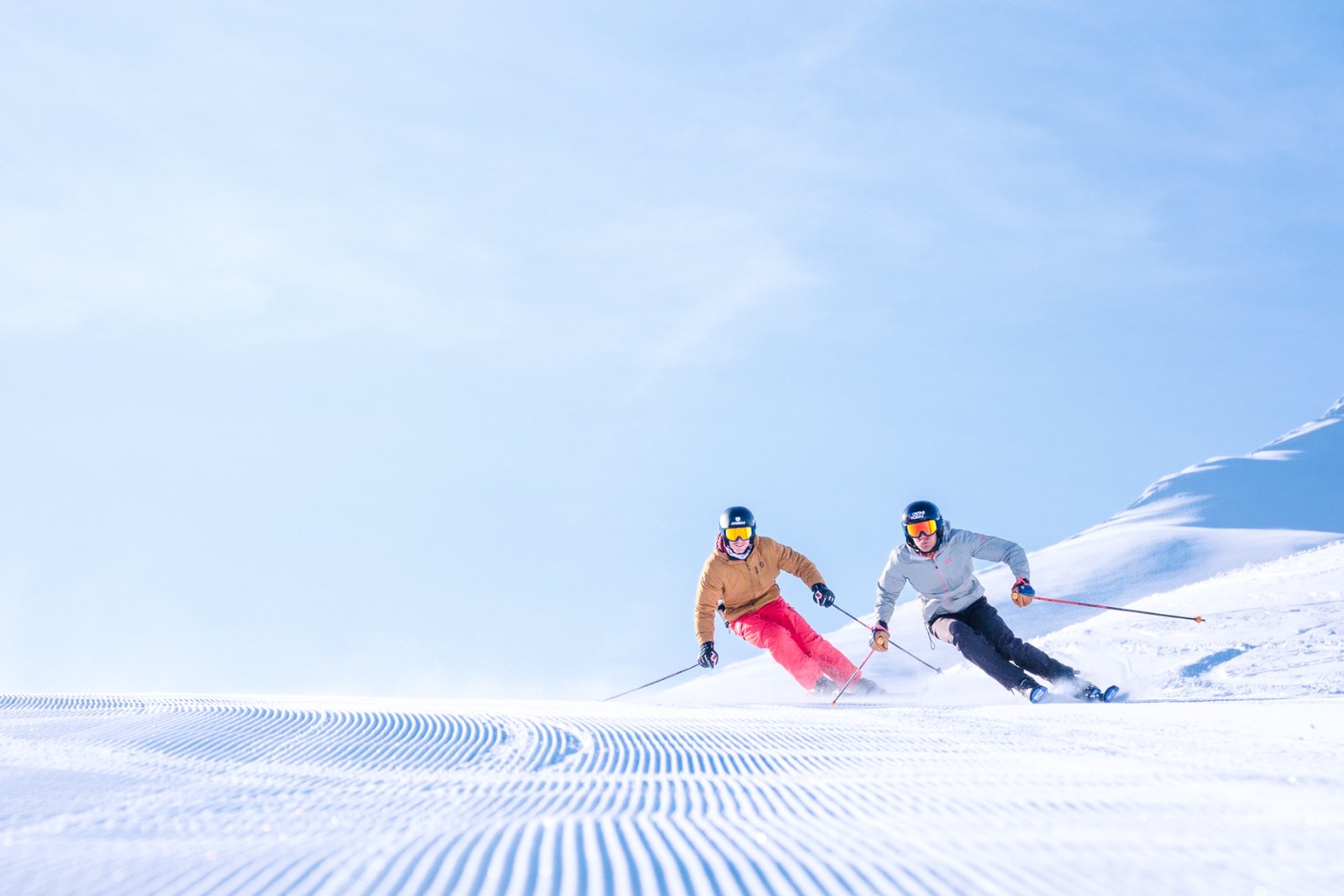
Photo: @nikooo_r / Avoriaz
The car-free environment adds to the atmosphere, with skiers gliding between neighbourhoods while horse-drawn sleighs quietly transport visitors through the snow-covered streets. This unique approach remains one of the defining features of the resort today just as it did when the resort first opened at Christmas 1966.
Avoriaz sits at the heart of the vast Portes du Soleil, which offers everything from wide cruising runs and scenic tree-lined descents to challenging terrain and extensive off-piste opportunities, the area encourages exploration on a grand scale. Skiers can spend days discovering new valleys, mountain villages and viewpoints while rarely repeating the same route.
Although there are endless slopes for all abilities one of the most famous runs by Avoriaz is The Wall (Le Mur Suisse), which straddles the French-Swiss border. Renowned for its steep gradient and colossal moguls, it is often ranked among the world’s most challenging marked ski runs.
@ Keno Derleyn
The piste drops for around a kilometre, with an average gradient of 37 degrees and sections reaching up to 90%, while moguls can grow to more than two metres high. Best tackled by confident advanced skiers after fresh snowfall or good grooming, many skiers opt to ride the chairlift down instead. For the competent and suitably skilled though, The Wall has become a rite of passage for Portes du Soleil skiers and riders, combining spectacular scenery with a formidable test of technique and stamina.
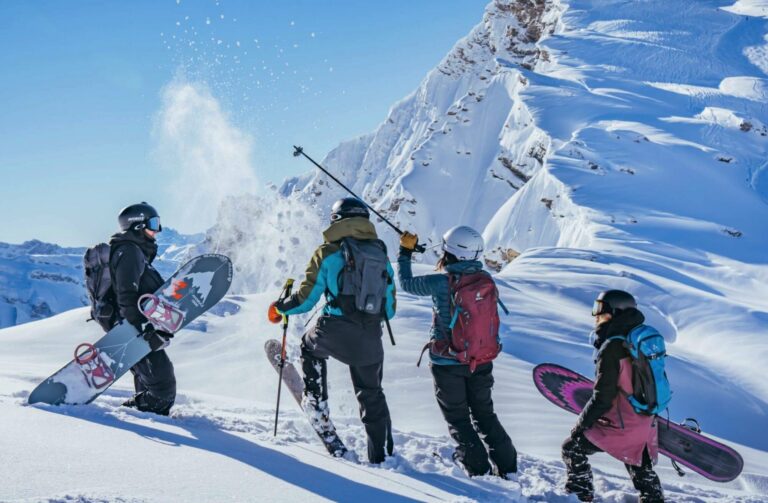
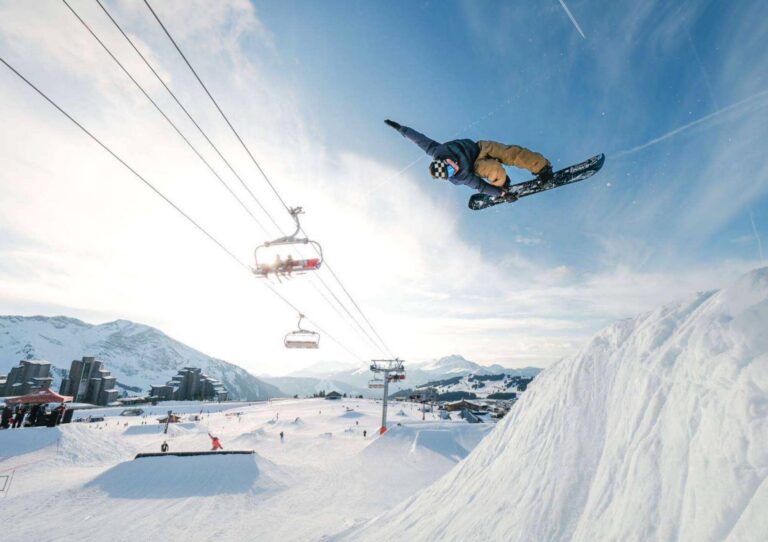
Avoriaz has also built a reputation as one of Europe’s most innovative snowsports destinations. Snowboarding and freestyle are deeply embedded in the resort’s identity, with the resort having opened France’s first permanent snowpark in 1993. Today, four snowparks cater to every ability level, from beginners taking their first steps in freestyle to experienced riders seeking larger features. Avoriaz also remains home to France’s last half-pipe and the famous Stash, the pioneering forest snowpark developed in partnership with Burton.
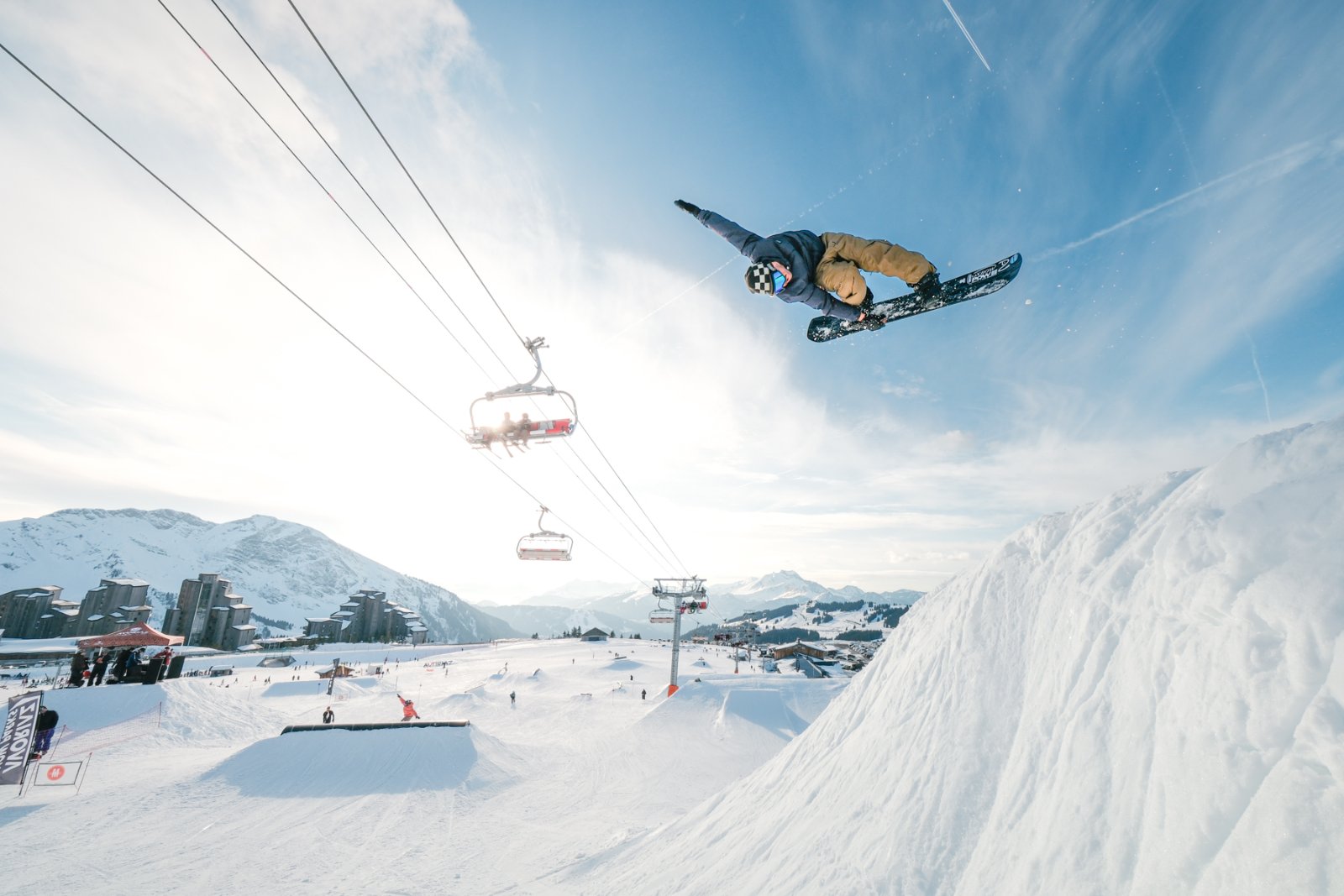
Photo: @nikooo_r / Avoriaz
For winter 2026-27, Avoriaz is adding an expanded La Chapelle Snowpark social hub, skate ramp, returning Black Chapelle night sessions and a new Plan Brazy viewpoint terrace, further enhancing its innovative mountain experience. You can read more about these upgrades below.
Together, these developments reinforce Avoriaz’s reputation for continually refreshing its skiing experience while maintaining the adventurous spirit that has made it one of the Alps’ most distinctive resorts for six decades.
Sixty Years of Bold Thinking
In 2027, Avoriaz will celebrate six decades since the opening of a resort that challenged many of the conventions of mountain tourism. Built at a snow sure altitude of 1,800 metres, it was conceived from the start as a pedestrian destination where skiing would shape everyday life, architecture would respond to the landscape rather than dominate it, and innovation would be part of its identity from the beginning.
The plateau where Avoriaz now sits was summer grazing land but in the early 1960s a man named Jean Vuarnet, who hailed from the local town of Morzine, had a dream. Back in the 1950s, Vuarnet was one of France’s most accomplished skiers and he became a national hero on 22 February 1960, when he took Olympic downhill gold at Squaw Valley, having already built a reputation for innovation through his aerodynamic skiing techniques and the famous “egg position”.
Back home, Vuarnet began to imagine a new type of ski resort high on the plateau above Morzine. His vision challenged prevailing trends in mountain development. While cars were becoming central to modern towns and resorts, he imagined a destination where people would move around on foot, on skis, or by horse-drawn sleigh. Skiing would not simply be an activity. It would become the framework around which the resort was designed.
“We were both reckless and brave, we were even, probably, mad,” Vuarnet was to reflect later.
The first lifts were developed, but progress was slow and funding remained precarious, however the first major access link, the Prodains cable car, was inaugurated in March 1963.
Gérard Brémond was just 27 years old when he began working on developing Avoriaz. Rejecting conventional plans for a typical alpine resort, Brémond wanted something radically different. He turned to young architect Jacques Labro, who was later joined by Jean-Jacques Orzoni and Jean-Marc Roques. Together they would create one of the most distinctive architectural projects of the twentieth century.
@ Rosie
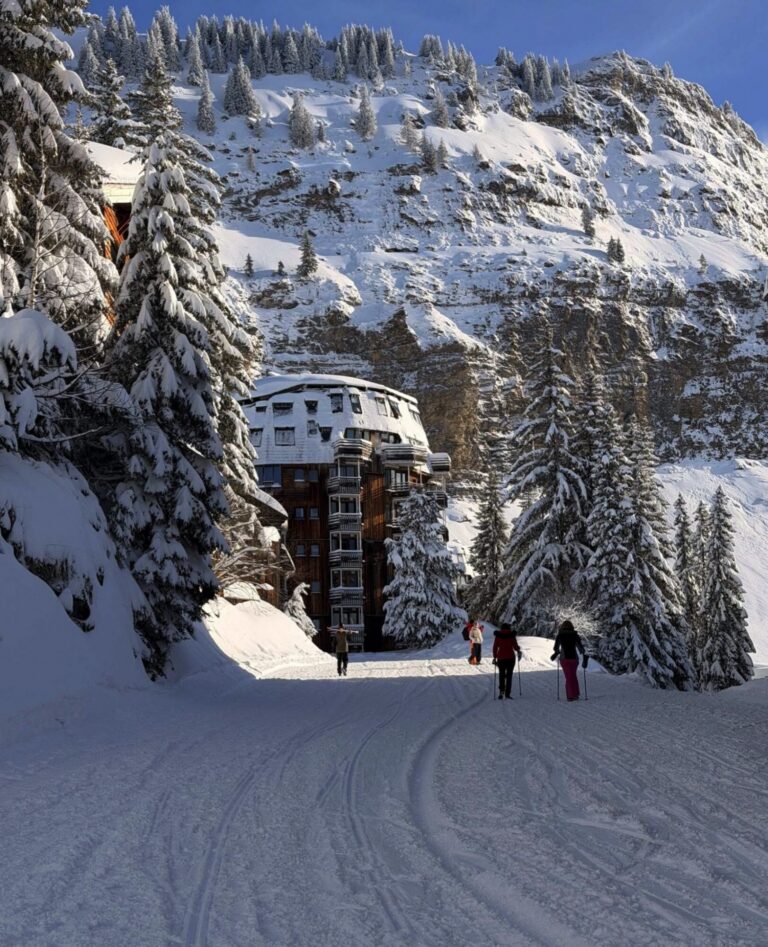
Rather than imposing geometric forms onto the mountainside, the architects adapted each building to the terrain. Inspired by the principles of organic architecture, they designed buildings that followed the contours of the landscape instead of competing with it.
The development abandoned traditional right angles and repetitive layouts. Buildings varied in shape and height, echoing surrounding rock formations and adapting to changing slopes. Rooflines extended toward the ground, creating structures that appeared almost to emerge from the mountain itself.
“What has made Avoriaz so successful is a series of completely crazy projects,” Brémond confessed later.
Wood played a central role. Facades were clad in untreated red cedar shingles that gradually weathered with the elements, adopting colours that mirrored the surrounding rock and forest.
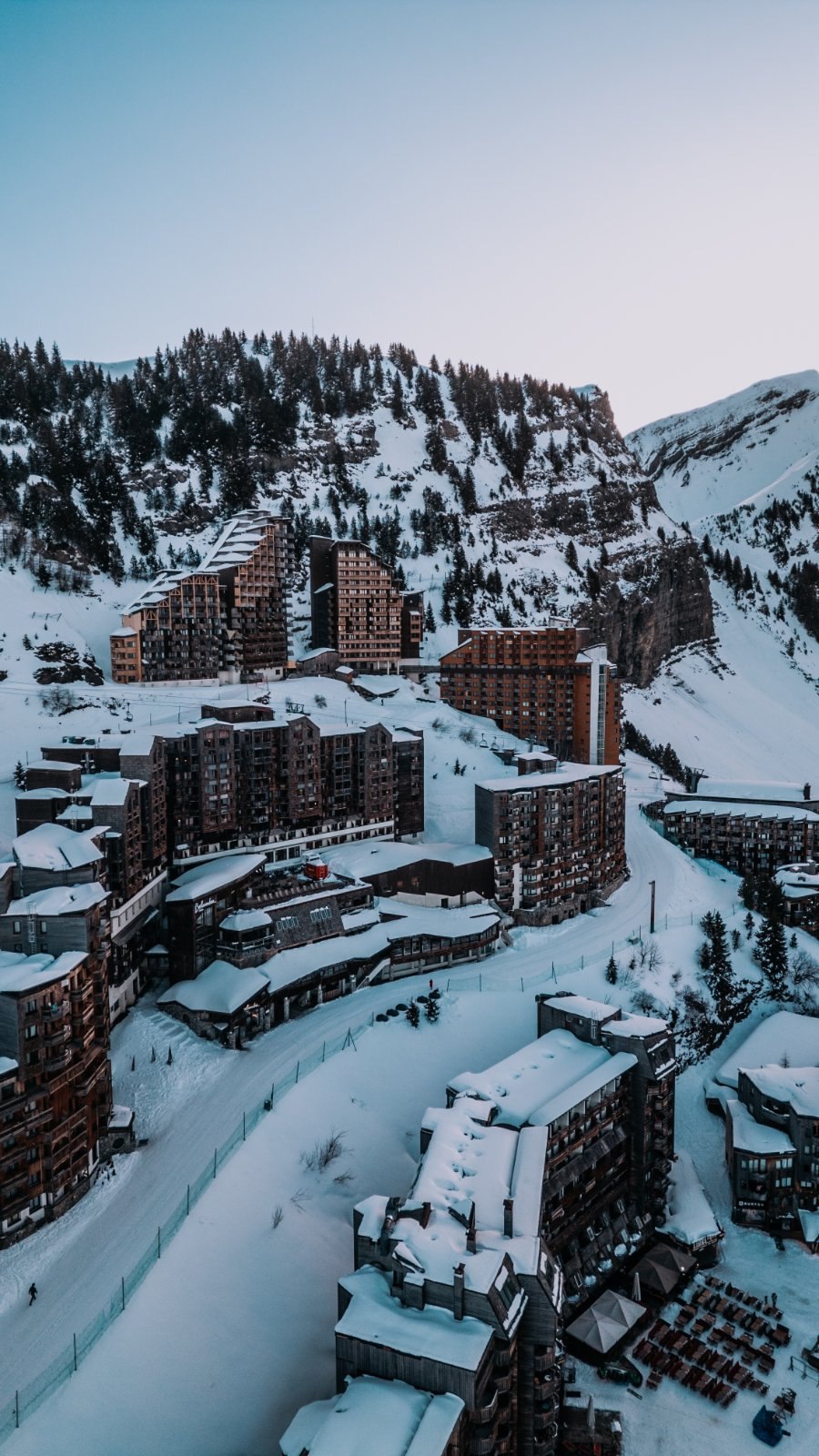
Photo: @edelputte / Avoriaz
Buildings were positioned to maximise sunshine and mountain views while adapting to natural topography. Living areas faced south, while circulation and service spaces were concentrated on northern elevations. Large windows framed the surrounding peaks, turning mountain scenery into an extension of the interior environment.
Their asymmetrical roofs, sweeping down to the ground, were designed to hold the snow. In winter, the buildings partly disappear under a white blanket and merge with the mountain.
Throughout construction, the project faced financial uncertainties and engineering challenges. Yet the founders remained committed to their vision.
Christmas 1966: The Birth of Avoriaz
The opening of Hôtel des Dromonts at Christmas 1966 marked the beginning of Avoriaz. As the resort’s first building and original landmark, the hotel embodied the architectural philosophy that would define the destination. Its fan-shaped design, steep rooflines and timber-clad surfaces reinforced the impression of a structure growing naturally from the mountainside. This is known as the “pomme de pin” (“pine cone”) design.
The winter of 1966-67 welcomed the first generation of visitors and introduced a concept unlike any other in the Alps: a fully pedestrian ski resort where streets became ski runs and accommodation could be reached directly on skis.
“For 60 years, our story has been that of a destination that has never sought to follow trends, but to imagine them. Here, we have always liked to take a different path, to invent, sometimes to get things wrong, but above all to keep moving forward. A pedestrian resort high in the mountains, architecture unlike any other, and wide-open spaces designed first and foremost for the joy of skiing. Daring to be different has been part of who we are from day one,” explains Camille Torte, the director of Avoriaz Tourist Office.
Defining Moments
1967: The Beginning of Pierre & Vacances. The launch of Avoriaz coincided with the creation of Pierre & Vacances, sometimes abbreviated to P&V, founded by Gérard Brémond, which would grow into one of Europe’s largest tourism groups.
As well as properties in ski and beach resorts across Europe, today, several Pierre & Vacances residences remain part of the accommodation choice in Avoriaz, including the premium L’Amara residence.
1973: The Launch of the Fantastic Film Festival. In the early 1970s, with the resort now built, the challenge was to fill it and give people a reason to choose Avoriaz over other resorts. Gérard Brémond and Lionel Chouchan found an unexpected solution: a film festival dedicated to fantasy and science-fiction cinema.
The International Fantastic Film Festival opened in 1973 and quickly became one of Europe’s most unusual and popular cultural events. At its first edition, Steven Spielberg’s Duel received the festival’s top prize.
Over the next two decades, filmmakers, actors, musicians and writers descended on Avoriaz every winter. Winners included films such as The Elephant Man, Blue Velvet and The Terminator.
The festival transformed Avoriaz into an internationally recognised destination and helped establish a reputation that extended far beyond the ski industry.
1975: Reinventing Children’s Ski Holidays. Former French ski champion Annie Famose believed children could learn to ski through enjoyment rather than repetition.
In 1975 she founded the Village des Enfants, introducing a more playful approach inspired by Austrian teaching methods. Learning areas incorporated games, obstacles, trails and entertainment designed around children’s needs.
The concept proved highly influential and helped redefine expectations for family ski holidays.
@ nikooo
1993: Freestyle Arrives. The same year the Fantastic Film Festival came to an end, Avoriaz embraced another emerging movement. At a time when most resorts were turning their backs on snowboarding, Avoriaz welcomed riders with open arms. It opened the Arare Snowpark, France’s first permanent snowpark, and hosted the first Nations Cups.
Purpose-built features allowed riders to experiment with jumps and tricks, fostering a culture centred on creativity and progression. Avoriaz quickly became a key destination for snowboarders, a reputation it still holds today.
The facility helped establish Avoriaz as an important destination for freestyle skiing and snowboarding.
2006: The Stash. Avoriaz continued to push boundaries in snow sports during the early 2000s, and the stories of snowboarding and Avoriaz became even more closely intertwined. Jake Burton, founder of the brand that bears his name, found in Avoriaz the vision he shared of a creative mountain, where riders invent new ways to ride rather than repeat those of the past.
This common ground led to a lasting partnership that gave birth, in 2006, to Europe’s first Stash: an eco-friendly natural snowpark nestled in the heart of the Lindarets forest. Inspired by Jake Burton’s desire to combine freestyle and freeride experiences, its features are built from reclaimed timber, mostly sourced from the forest itself, and blend into the terrain. CNN even named it the best snow spot in 2014!
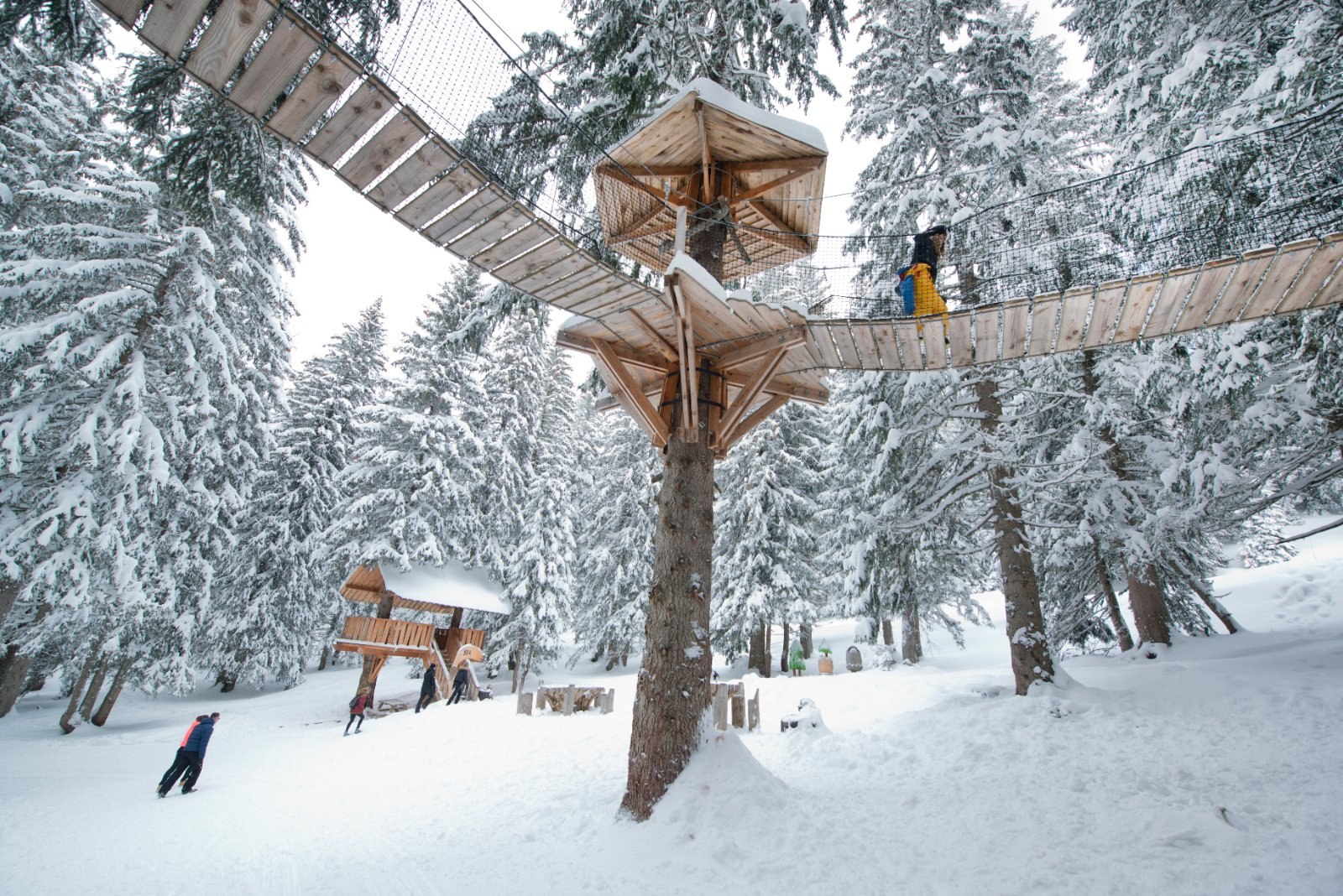
Photo: @orelib / Avoriaz
2012: Aquariaz. Continuing its tradition of innovation, Avoriaz introduced Aquariaz in 2012. This 2,400-square-metre aquatic centre brought a tropical environment to the Alps, combining heated pools, a lazy river, play areas and vegetation. The facility broadened the resort experience beyond skiing and further strengthened its appeal to families.
2013: A New Prodains Express. Access to the resort was modernised with the opening of the new Prodains Express 3S cable car in 2013. Replacing the original installation, the new lift significantly increased capacity while shortening the journey from the valley to around four minutes. The upgrade reinforced an essential principle of the resort’s design: preserving a car-free environment while maintaining efficient access from below.
2025: Architectural Recognition. As Avoriaz matured, its architecture increasingly came to be viewed as cultural heritage. In a full circle moment, on 18 February 2025, the Les Hauts-Forts 2 building, constructed between 1967 and 1968, was officially listed as a historic monument, recognising the significance of Avoriaz’s early architectural experimentation.
Sustainability Before Sustainability
Many principles now associated with sustainable tourism were incorporated into Avoriaz decades before environmental concerns became mainstream.
The resort’s car-free model significantly reduced traffic within the resort itself. Buildings were orientated to maximise natural light and solar gain, while technical innovations improved insulation and reduced energy consumption.
New for 26-27
As Avoriaz prepares to celebrate its 60th anniversary this winter, the resort is pairing the milestone with a series of improvements and new facilities that reinforce the qualities that have made it one of the Alps’ most distinctive destinations. The emphasis this winter is on upgrading existing infrastructure, enhancing the guest experience and investing in the resort’s unique identity.
The headline accommodation news for winter 2026-27 is the reopening of the completely renovated Pierre & Vacances Capella Residence. One of the resort’s landmark properties, Capella has undergone a comprehensive refurbishment that includes redesigned communal areas, upgraded apartments and the addition of a new south-facing indoor swimming pool overlooking the surrounding mountains. The redevelopment also incorporates significant sustainability improvements, with upgraded insulation and energy-efficiency measures expected to cut the building’s overall carbon footprint by 50%.
One of the most unusual projects debuting this winter is the completion of a brand-new stable complex for Avoriaz’s iconic horse-drawn sleigh operation. In a resort where roads and cars remain absent, horses continue to play an important transport role, carrying visitors and luggage through the snow-covered streets. The new 2,500-square-metre facility has been designed specifically around horse welfare and operational efficiency, with larger stalls, improved ventilation, integrated hay storage, modern staff facilities and innovative waste-management systems. The project represents a substantial investment in maintaining one of Avoriaz’s most distinctive traditions.
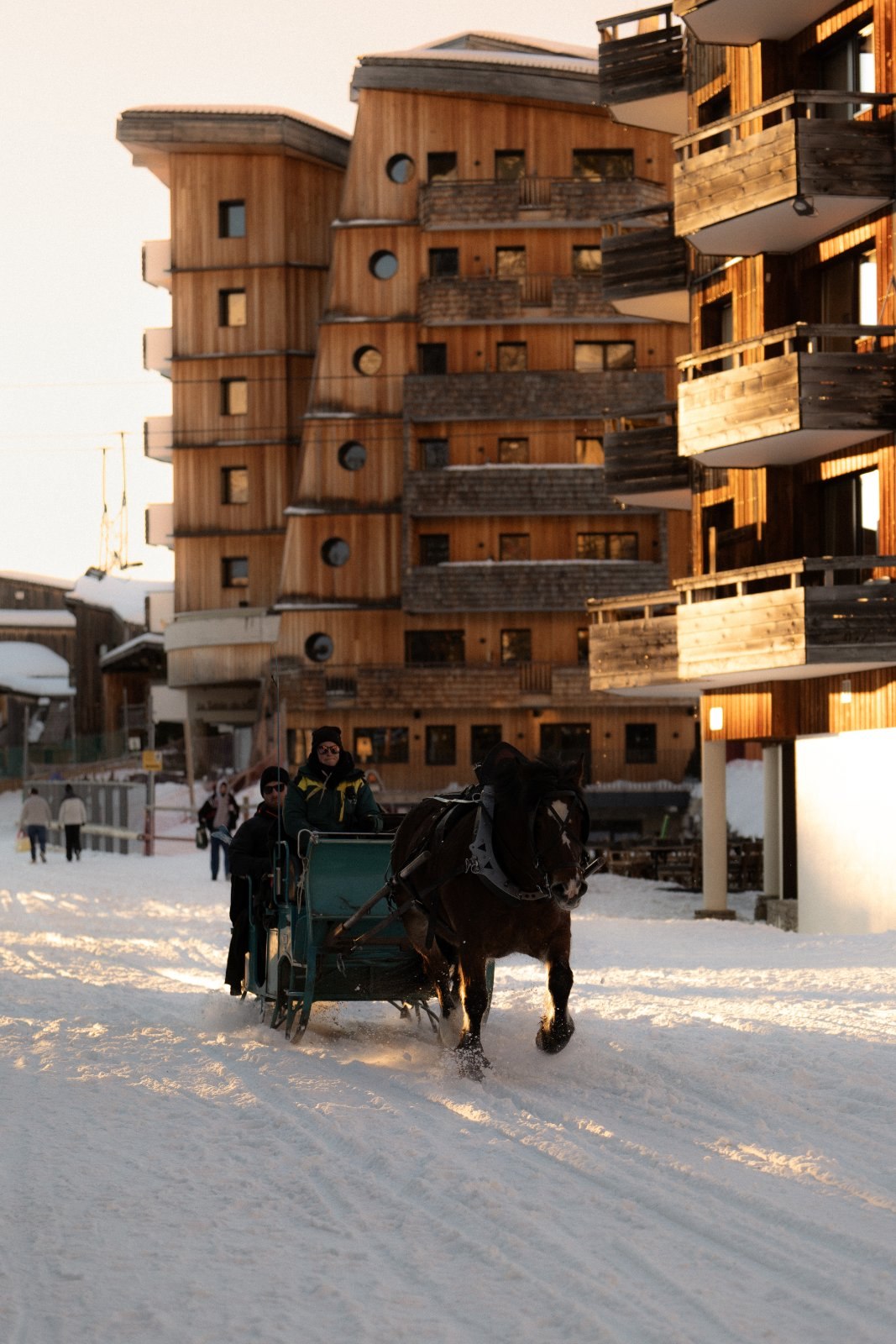
Photo: Chloé Legrand / Avoriaz
The resort is also continuing to strengthen its reputation as one of Europe’s leading freestyle destinations. At La Chapelle Snowpark, the second phase of the “Marches de la Chapelle” project will create an expanded social and event space around the popular freestyle area. The development includes new spectator areas, spaces for concerts and DJ sets, and the addition of a skate ramp, allowing riders to switch from snow to skateboarding during the season. An official opening is planned for the start of winter.
Freestyle fans can also look forward to the return of the popular Black Chapelle night sessions. Following a successful launch last winter, the floodlit evening events will once again bring riders together after dark for music, socialising and night-time park sessions.
Elsewhere on the mountain, a new relaxation and viewing area is being created at Plan Brazy in the Arare sector. Featuring a picnic area, panoramic terrace and rooftop viewpoint facing the Dents du Midi, the new facility is intended to provide skiers and snowboarders with another scenic place to stop and enjoy the mountain environment.
While the 60th anniversary celebrations will inevitably draw attention to Avoriaz’s pioneering past, the developments for winter 2026-27 demonstrate that the resort remains focused on evolving its guest experience while staying true to the vision that made it famous: innovation, individuality and a mountain lifestyle unlike anywhere else in the Alps.
Celebrating 60 Years
Sixty years after welcoming its first guests, Avoriaz remains defined by the ideas that shaped its creation: a pedestrian environment, architecture inspired by nature, and a willingness to challenge convention.
The resort is planning a season-long celebration of its big birthday this winter.
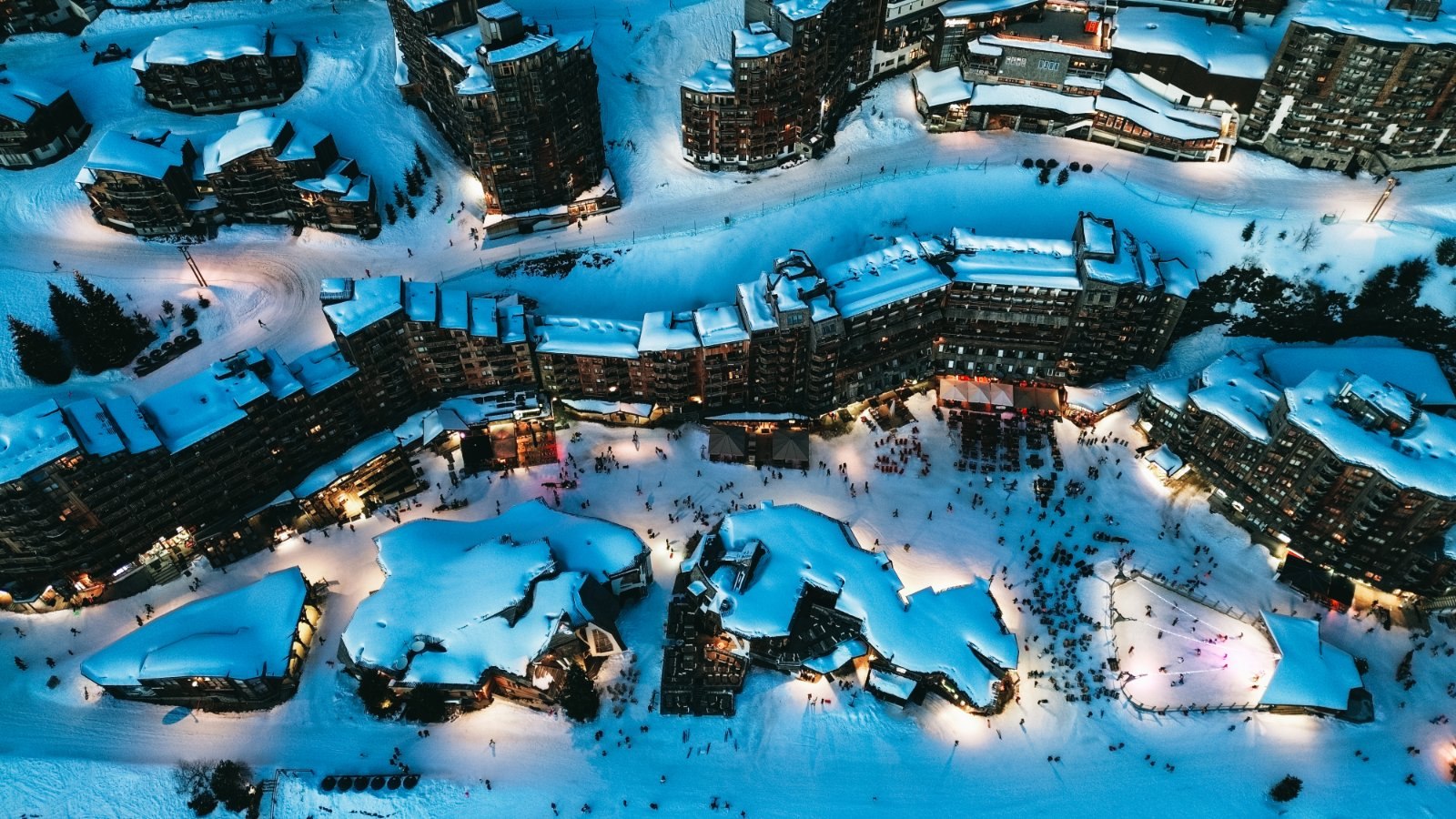
Photo: @benjdvs / Avoriaz
From pioneering mountain design and international film festivals to freestyle snow sports, family innovation and sustainability initiatives, the resort’s history has been marked by a consistent desire to do things differently.
As it celebrates its 60th anniversary, Avoriaz is not only looking back on its past, but also continuing the tradition of innovation that has distinguished it since the 1960s.
Avoriaz’s 60th anniversary season will run from 11th December to 18th April, 2027.
Find out more about the 60th anniversary season at avoriaz.com, and book your stay for the anniversary winter at reservation.avoriaz.com.
60 years of Avoriaz at a glance
- Altitude: 1,800 metres
- Opened: Christmas 1966
- Ski area: the Portes du Soleil, with around 600km of slopes across France and Switzerland
- Getting around: 100% car-free and 100% ski-in/ski-out, with the Prodains Express cable car linking the valley in around four minutes
- Freestyle: four snowparks, France’s last half-pipe and the Stash forest snowpark
- Family extras: the Village des Enfants and the Aquariaz indoor water park
- 60th anniversary season: 11 December 2026 to 18 April 2027
Avoriaz 60th anniversary: your questions answered
When is Avoriaz’s 60th anniversary?
Avoriaz opened at Christmas 1966, when the Hôtel des Dromonts welcomed its first guests. The resort is marking 60 years with a season-long celebration running from 11 December 2026 to 18 April 2027.
Is Avoriaz really car-free?
Yes. Avoriaz is the only car-free resort in France. There are no roads for cars in the resort, so you get around on foot, on skis or by horse-drawn sleigh, and almost everywhere is ski-in/ski-out.
How big is the ski area in Avoriaz?
Avoriaz sits at the heart of the Portes du Soleil, one of the largest ski areas in the world, with around 600km of slopes spread across France and Switzerland.
What is The Wall in Avoriaz?
The Wall, or Le Mur Suisse, is a famously steep mogul run on the French-Swiss border, with an average gradient of 37 degrees and bumps that can grow to more than two metres high. It is one for confident advanced skiers only.
What’s new in Avoriaz for winter 2026-27?
The renovated Pierre & Vacances Capella Residence reopens with a new indoor pool, there is a brand-new stable complex for the horse-drawn sleighs, an expanded social hub and skate ramp at La Chapelle Snowpark, the return of the Black Chapelle night sessions and a new viewpoint terrace at Plan Brazy.
More from InTheSnow
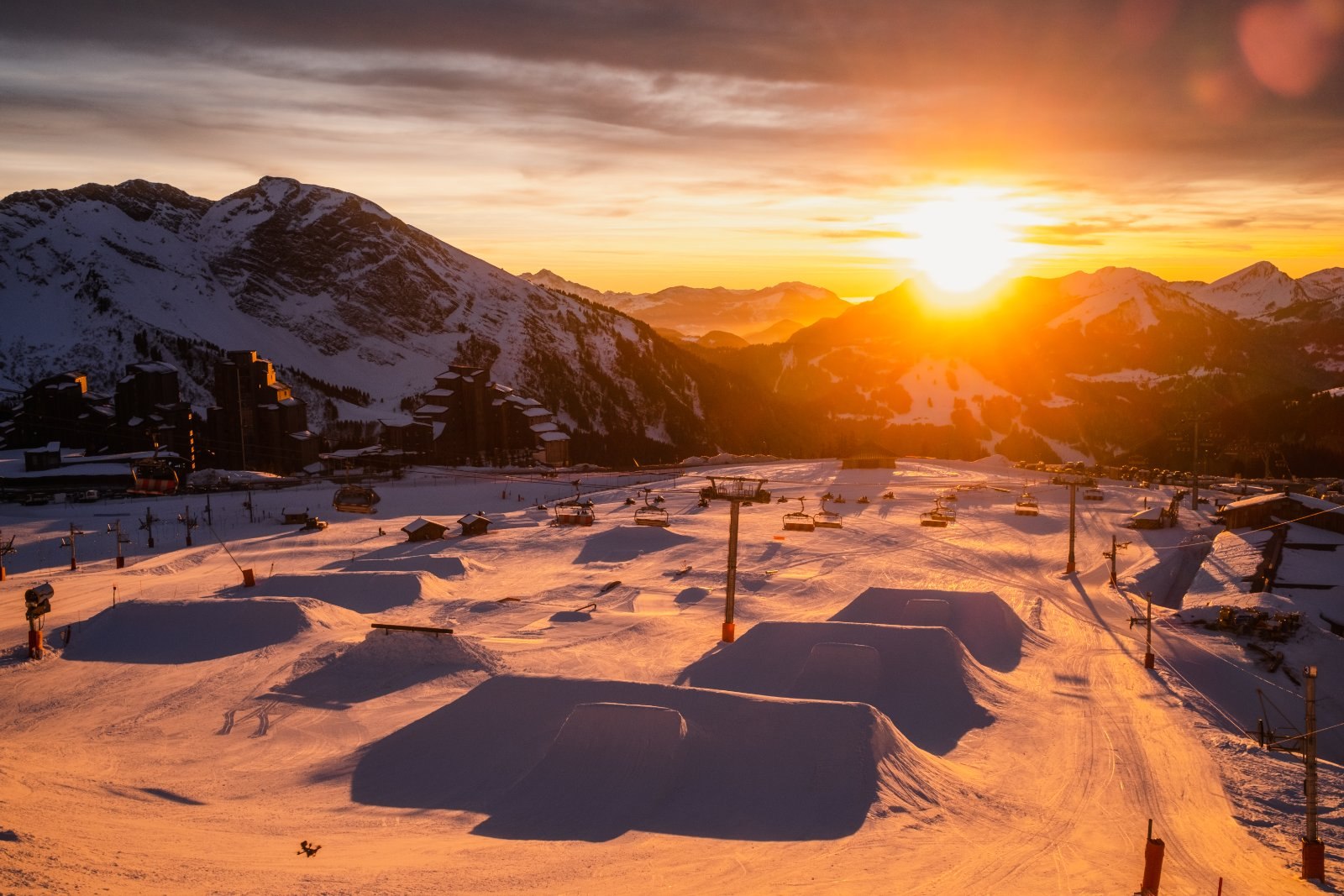
Photo: @rafnfpv / Avoriaz
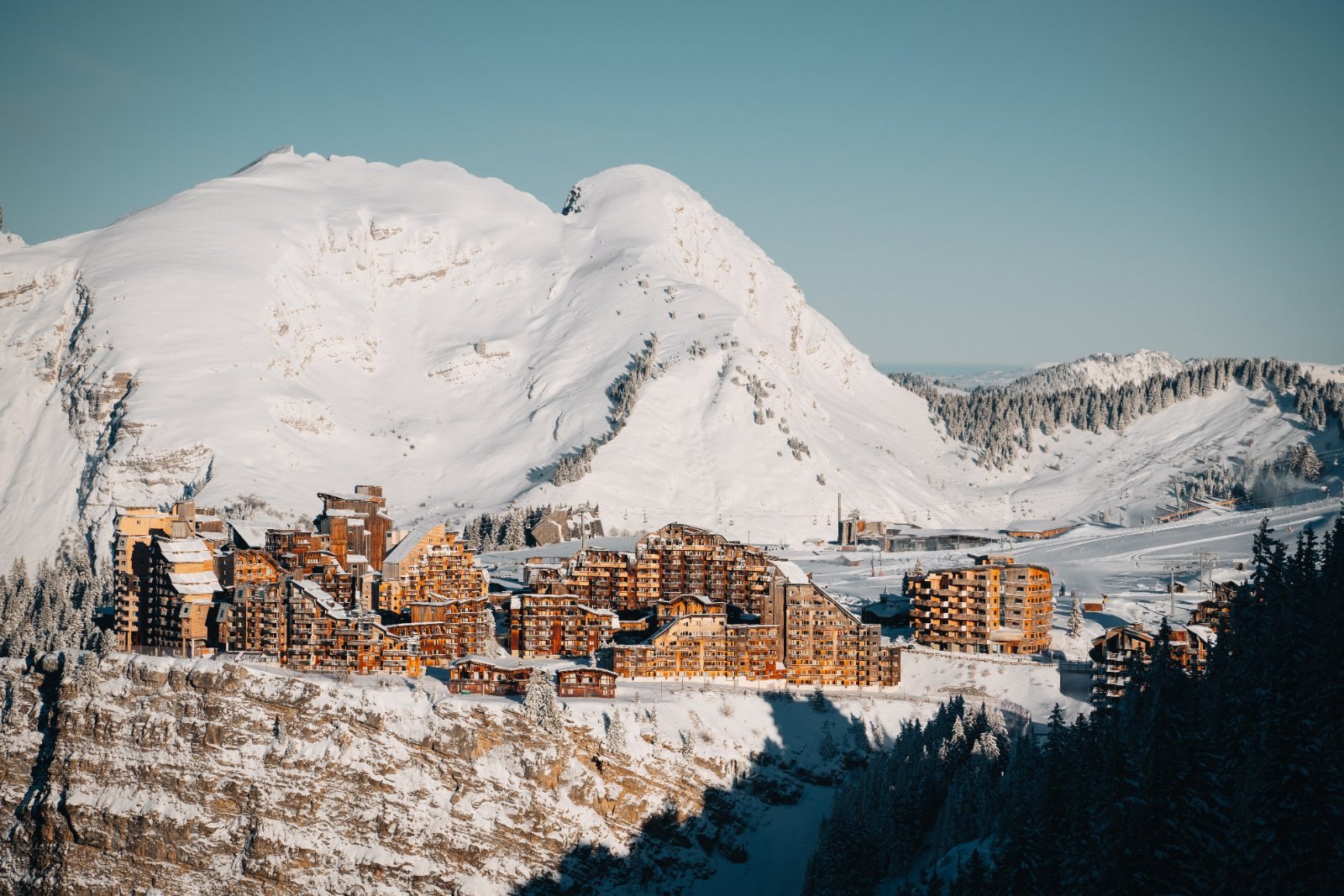
Photo: @GermainPernet / Avoriaz
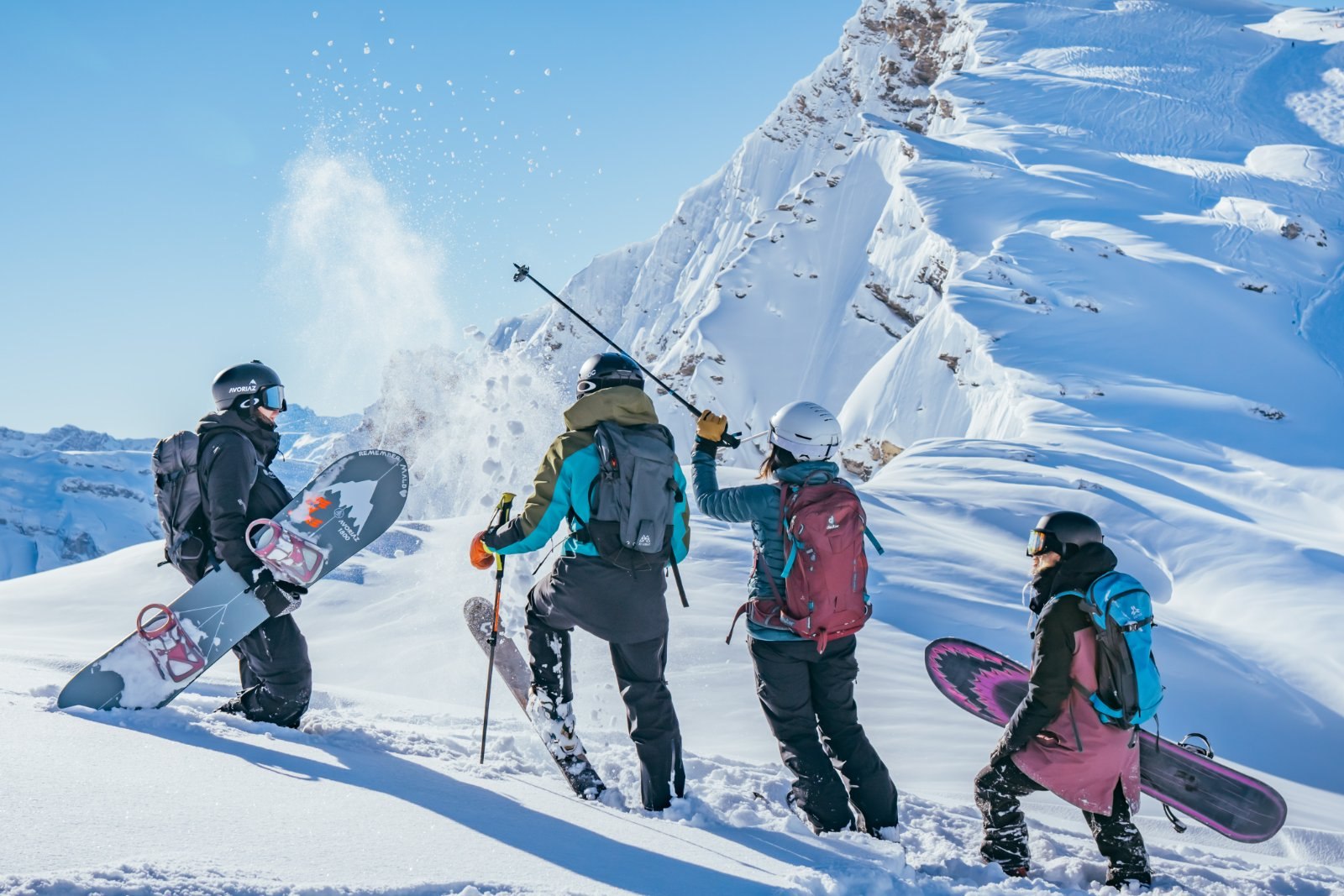
Photo: @KenoDerleyn / Avoriaz
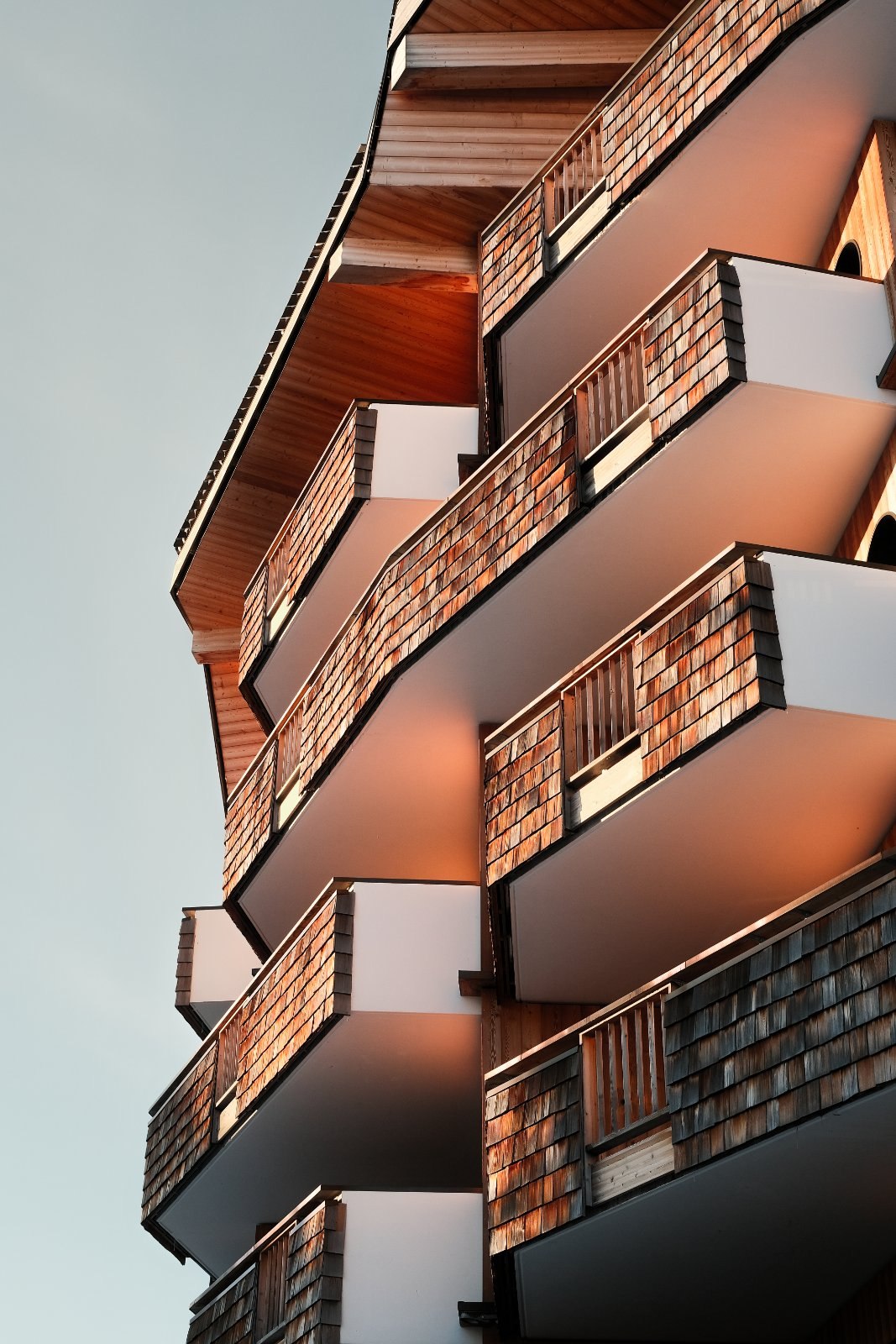
Photo: @nikooo_r / Avoriaz
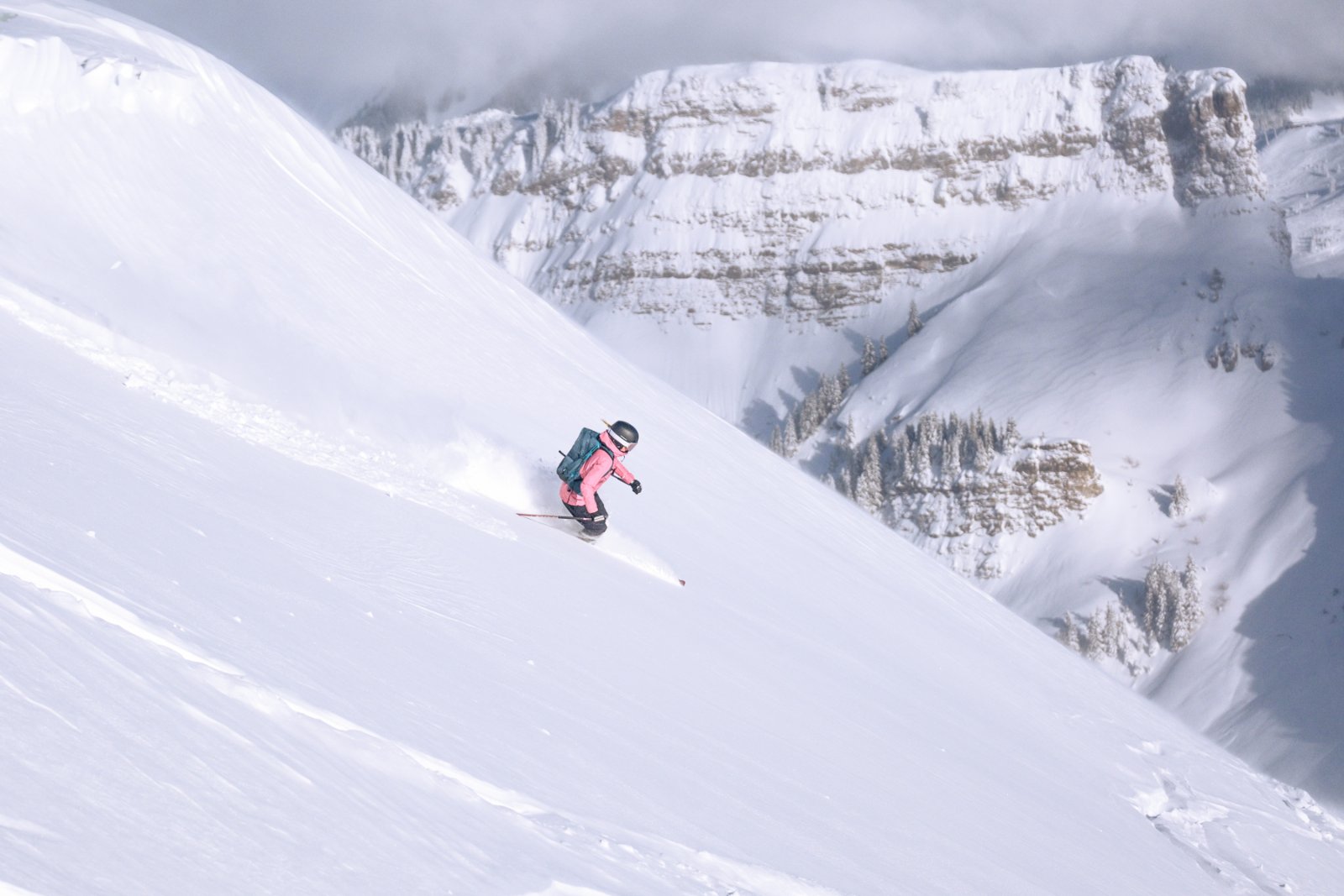
Photo: @nikooo_r / Avoriaz
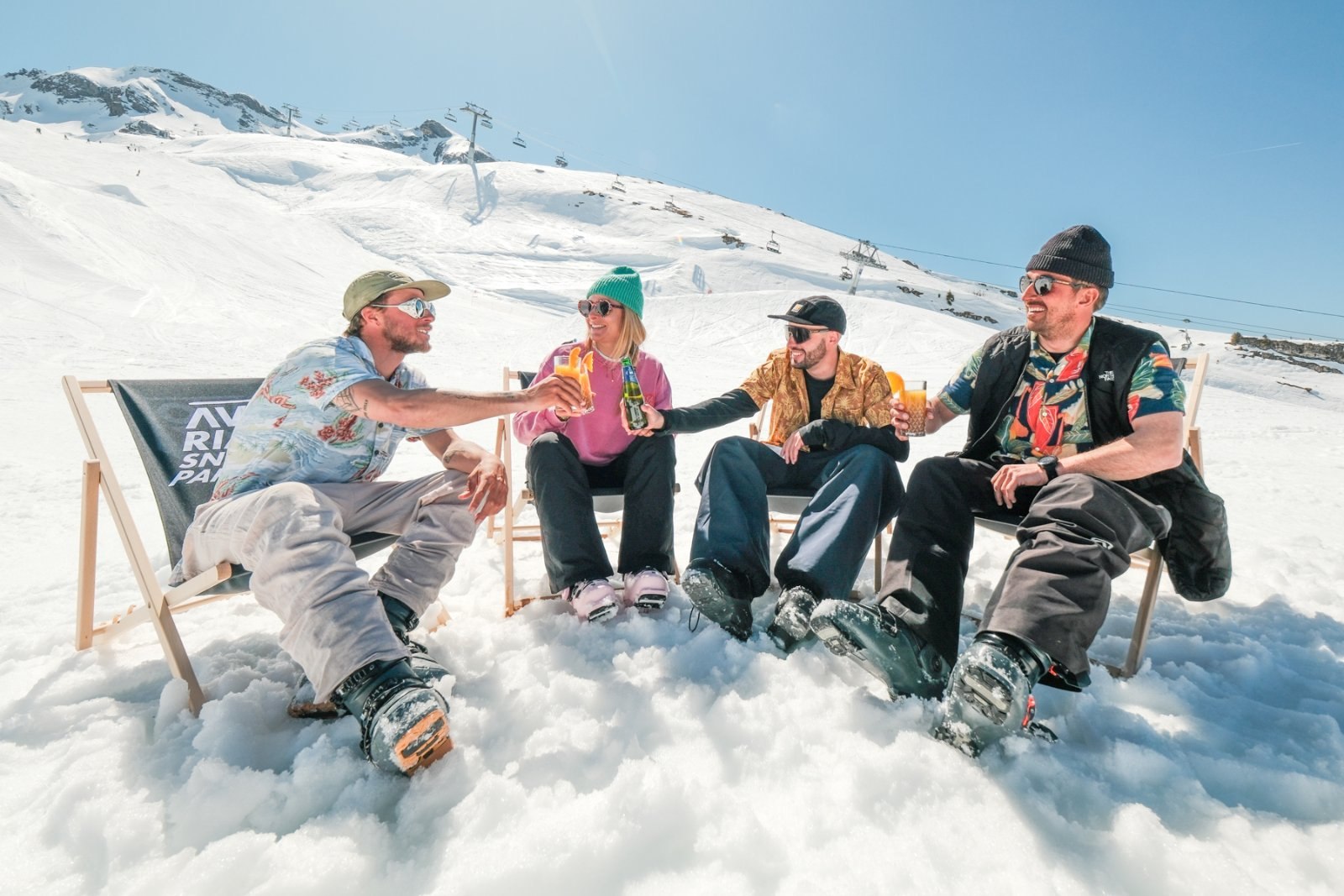
Photo: @nikooo_r / Avoriaz