
Six months on from the closing ceremony in Milan, the story of Milano Cortina 2026 still comes back to one nation on skinny skis. Norway finished the Games with 41 medals overall, and cross-country skiing did the heaviest lifting: 7 gold, 2 silver and 5 bronze from the discipline alone, according to the official Games medal table published on olympics.com. No other country came close to that gold count on snow.
Johannes Høsflot Klæbo was the reason the rest of the field was chasing shadows. He won all six men’s cross-country events on offer at the Games, a feat confirmed by BBC Sport, which reported he broke the record for most golds at a single Winter Olympics, previously held by American speed skater Eric Heiden since Lake Placid in 1980. That sixth win, in the 50km on 21 February, also took Klæbo’s career Olympic gold tally to 11, more than any Winter Olympian in history, ahead of compatriots Marit Bjørgen and Ole Einar Bjørndalen on eight apiece.
None of this should have surprised anyone paying attention before the flame was even lit. Pre-Games coverage, including Freebets.com‘s own form guide, had already flagged Norway as the team to watch across the board, not just in cross-country, with British fans always more likely to spend the fortnight admiring the Scandinavians’ medal haul than closing the gap on it. The final table backed that read up in emphatic fashion.
The numbers behind the dominance
It wasn’t a fluke built on one golden run. Klæbo arrived in Italy off a 2025/26 World Cup season in which he won his 100th career World Cup race on home snow in Trondheim and swept the Overall, Sprint and Distance Crystal Globes for the first time, a clean sweep the International Ski Federation covered as it happened. He’d also won all six races at the 2025 World Championships in Trondheim, a result the four-time Olympic medallist Petter Northug called unrepeatable. Milano Cortina simply confirmed the trend rather than starting it.
Sweden pushed hardest behind Norway, taking 5 gold and 10 medals in total in the discipline, with Frida Karlsson winning the women’s 30km skiathlon ahead of teammate Ebba Andersson, and Norway’s Heidi Weng taking bronze. France and the United States each managed three medals in cross-country, but none of them gold, a gap that tells its own story about how far ahead the Norwegian programme sits heading into the next Olympic cycle.
Betting markets ahead of the Games had priced Norway as favourites for the overall medal table too, not just cross-country. CBS Sports’ Olympic analysis, drawing on FanDuel Sportsbook pricing, had Norway at -280 to top the medal count and -195 to win the most golds, with the United States next best at +600 and +200, respectively. By the time the closing ceremony arrived, that pricing looked less like a prediction and more like a formality, as detailed in CBS Sports’ pre-Games breakdown.
What it means heading into the next World Cup season
For anyone who watched the racing live from a UK sofa, or from a resort with the TV on in the bar after a day on the slopes, the takeaway is straightforward: Norwegian cross-country skiing is not slowing down. Klæbo turns 30 in October, and Norway’s depth behind him, headlined by sprint rival Lars Heggen and a women’s squad built around Weng, means the same names are likely to fill the podium when the 2026/27 World Cup calendar opens in Scandinavia later this year.
That matters for planning a season around race weekends as much as powder days. Beitostølen, Lillehammer and Falun are all within reach of major ski resorts for anyone planning a trip around watching a World Cup stage in person rather than just on a stream. We’ve covered these kinds of crossover trips before in our ski news section, and the calendar for the 2026/27 circuit is worth building into a winter itinerary if a resort week can flex around a nearby race weekend.
The bigger question now is whether anyone closes the gap before Falun, Sweden, hosts the next Nordic World Championships in 2027. On the evidence of Milano Cortina and a World Cup season that saw Klæbo lose barely any of the races he entered, that looks unlikely. Norway didn’t just meet expectations in Italy. It exceeded a betting line that already had the country as an overwhelming favourite, and did so by winning almost every race that mattered.
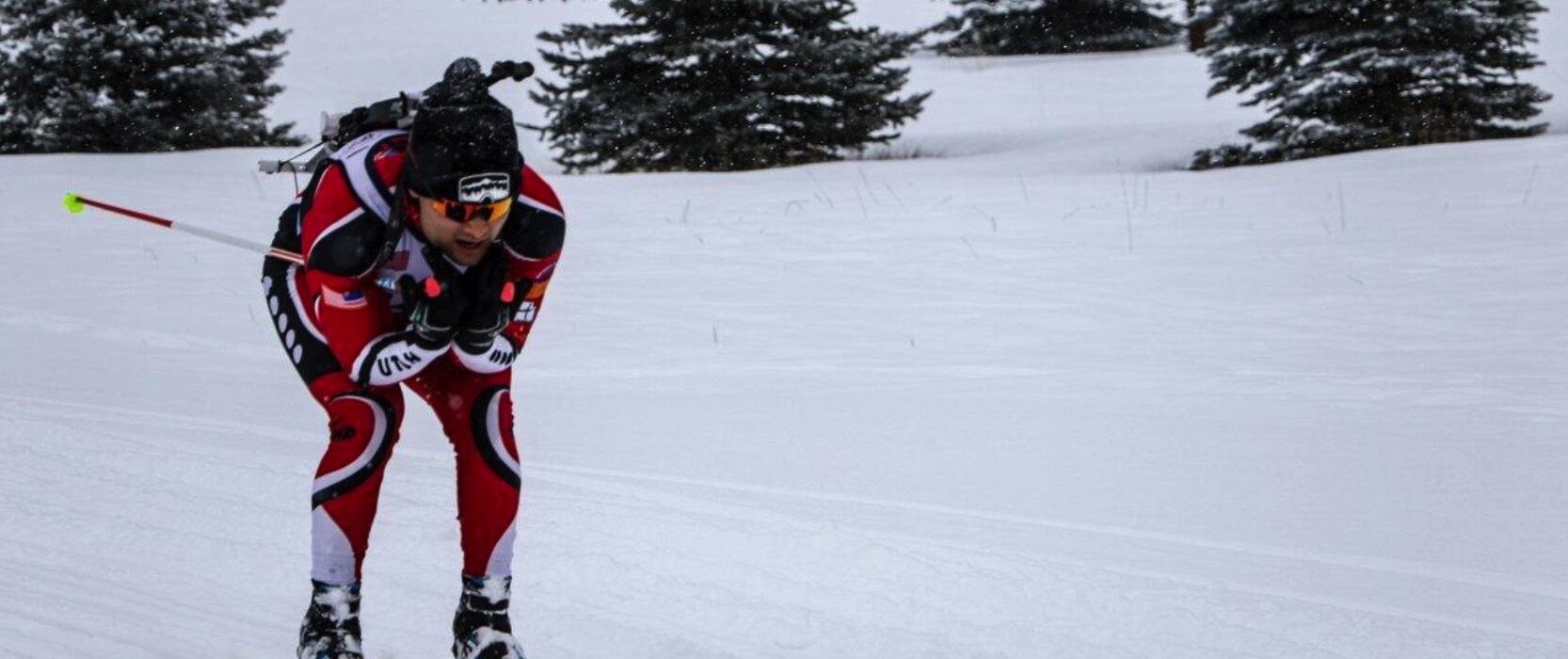
Photo: The National Guard / Wikimedia Commons (CC BY 2.0) (source)