Accommodation

Quick answer: San Martino di Castrozza suits skiers wanting spectacular, quieter Dolomite scenery away from the crowds, intermediates after wide, well-groomed cruising terrain, and anyone drawn to a genuinely low-carbon, historic mountain village. It is less suited to mileage-hungry experts wanting the biggest local ski area, or those wanting a well-known international name.
Quick resort facts
Ski area: San Martino – Passo Rolle, just over 60km of local pistes, 20 lifts · Altitude: 1,404m, skiing up to around 2,400m · Ski pass area: Dolomiti Superski (1,200km across 12 valleys) · Nearest airport: Venice (120km)
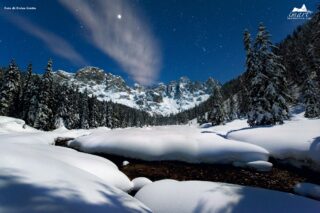
San Martino di Castrozza is one of Italy’s most quietly spectacular ski resorts, set at 1,404m in the Primiero valley of Trentino, within the Paneveggio-Pale di San Martino Natural Park, a UNESCO World Heritage site. Ringed by the pink-hued Dolomite peaks of the Pale di San Martino, including Cimon della Pala and Vezzana, the resort has a long history as a mountain retreat, first developed as a hotel destination in the 1870s and popular with the Austro-Hungarian elite by the turn of the 20th century.
Today it remains something of a hidden gem, overlooked by many international tour operators in favour of bigger-name Dolomite resorts like Cortina d’Ampezzo or Alta Badia, despite offering genuinely world-class scenery and skiing, and full access to the same Dolomiti Superski pass.
Jump to: Ski Area · Skiing by Ability · Snow Reliability & Best Time to Go · Lift Passes · Getting There · FAQs
The local ski area is compact rather than sprawling, with just over 60km of pistes between around 1,400m and 2,400m, served by 20 lifts (4 high-capacity, 8 chairs and 8 drags), split between the main San Martino sector and the notably snow-sure Passo Rolle sector. It is part of the vast Dolomiti Superski network, so a single pass also unlocks around 1,200km of linked pistes across twelve Dolomite valleys.
Comparing options before you book? Our ski holiday deals and ski resort search tools make it easy to weigh up San Martino di Castrozza against other, better-known Dolomite bases.
San Martino’s season typically runs from early December to early April. Snowmaking coverage is relatively modest at around 15% of the pisted terrain, so natural snowfall matters more here than at some larger, more heavily invested Dolomite resorts, though the Passo Rolle sector is notably snow-sure thanks to its aspect and altitude.
January and February tend to bring the most reliable natural snow, and given the resort’s lower international profile, it’s generally quieter than comparable Dolomite resorts even at peak times.
San Martino di Castrozza is covered by the Dolomiti Superski pass, with an adult day pass costing around €38 (roughly €190 for six days) and child passes around €25 for a day and €133 for six days, among the more affordable entry points to the wider 1,200km network across twelve valleys.
San Martino has established ski schools well suited to beginners and families, with the Prà delle Nasse nursery slope and Kinderland area on Tognola Alp providing a gentle introduction for young or first-time skiers.
Ski and board hire is available in the village. Our ski gear guides are worth a look if you’re buying your own kit.
San Martino’s accommodation is centred on its characterful village, with options to suit most budgets alongside a strong selection of family-run hotels.
On the mountain, the high-altitude restaurant complex at 2,200m includes a solarium, bar, pizzeria, bakery, and both indoor and outdoor self-service dining, serving Trentino cooking built around locally sourced ingredients.
In the village, Ristobar Campo Base at the foot of the Tognola lifts is a popular spot for a drink and live music, while the Ranch Bar downtown has a warm, family-friendly atmosphere with a strong beer and wine selection.
Planning a family trip? Our family skiing guide has more advice on choosing the right base.
San Martino di Castrozza has a genuinely unusual claim among ski resorts: it has been powered by renewable hydroelectricity for over a century, predating most local electricity grids entirely. The resort now generates around ten times the green energy it needs and exports the surplus back to the grid, has replaced individual oil heating systems in hotels with a communal biomass energy system, and has swapped petrol pumps for electric vehicle charging points, some of which are offered free of charge to visitors.
The nearest airport is Venice, around 120km away. San Martino di Castrozza has a timeless, old-world charm that’s increasingly rare among modern ski resorts, combining historic character, genuine Dolomite scenery, and a strong sense of place. It sits within easy reach of Trentino’s regional airports and is well connected by road, if a little further off the beaten path than some of its more internationally famous Dolomite neighbours.
San Martino di Castrozza is a genuine hidden gem: spectacular, UNESCO-protected Dolomite scenery, a century of surplus green energy, and full access to the 1,200km Dolomiti Superski network, all without the crowds of bigger-name neighbours like Cortina or Alta Badia. The compact local ski area and old-world village infrastructure won’t suit everyone, but for skiers who value scenery, quiet, and a genuine sense of place over scale and polish, it’s a rewarding choice.
The local area has just over 60km of pistes between 1,400m and 2,400m, split across the San Martino and Passo Rolle sectors, with the Dolomiti Superski pass unlocking around 1,200km of linked terrain across twelve valleys.
Yes, the Prà delle Nasse nursery slope and Kinderland area on the Tognola Alp provide a gentle introduction, and the resort has plenty of confidence-building intermediate terrain.
The village has run on renewable hydroelectricity for over a century, now produces around ten times the energy it consumes, and has replaced oil heating and petrol infrastructure with biomass energy and electric vehicle charging.
The resort sits within the Paneveggio-Pale di San Martino Natural Park, a UNESCO World Heritage site, surrounded by the distinctive pink-hued limestone peaks of the Pale di San Martino Dolomites.
Yes, it’s one of twelve resorts covered by the Dolomiti Superski pass, giving access to around 1,200km of pistes and 460 lifts across the wider Dolomites region.
Get all the latest ski news, gear reviews, snow reports and unmissable features direct to you inbox with our weekly ski update.