

How important is a cardio base, whether you’re a mountain punter or an Olympian?
By Aimee Fuller, Two-Time Winter Olympian, Broadcaster and Author
Every year, just as winter starts creeping closer, the same conversations begin. How do I get fit for ski season? For me, this is all about getting snow-fit. Forget the bikini body. Put that away. This is about bulletproofing your body so you can squeeze everything possible out of your days on the mountain.
What exercises should I be doing for snowboarding? How do I stop my quads from burning after the first few runs? Trust me, even I get that on day one.
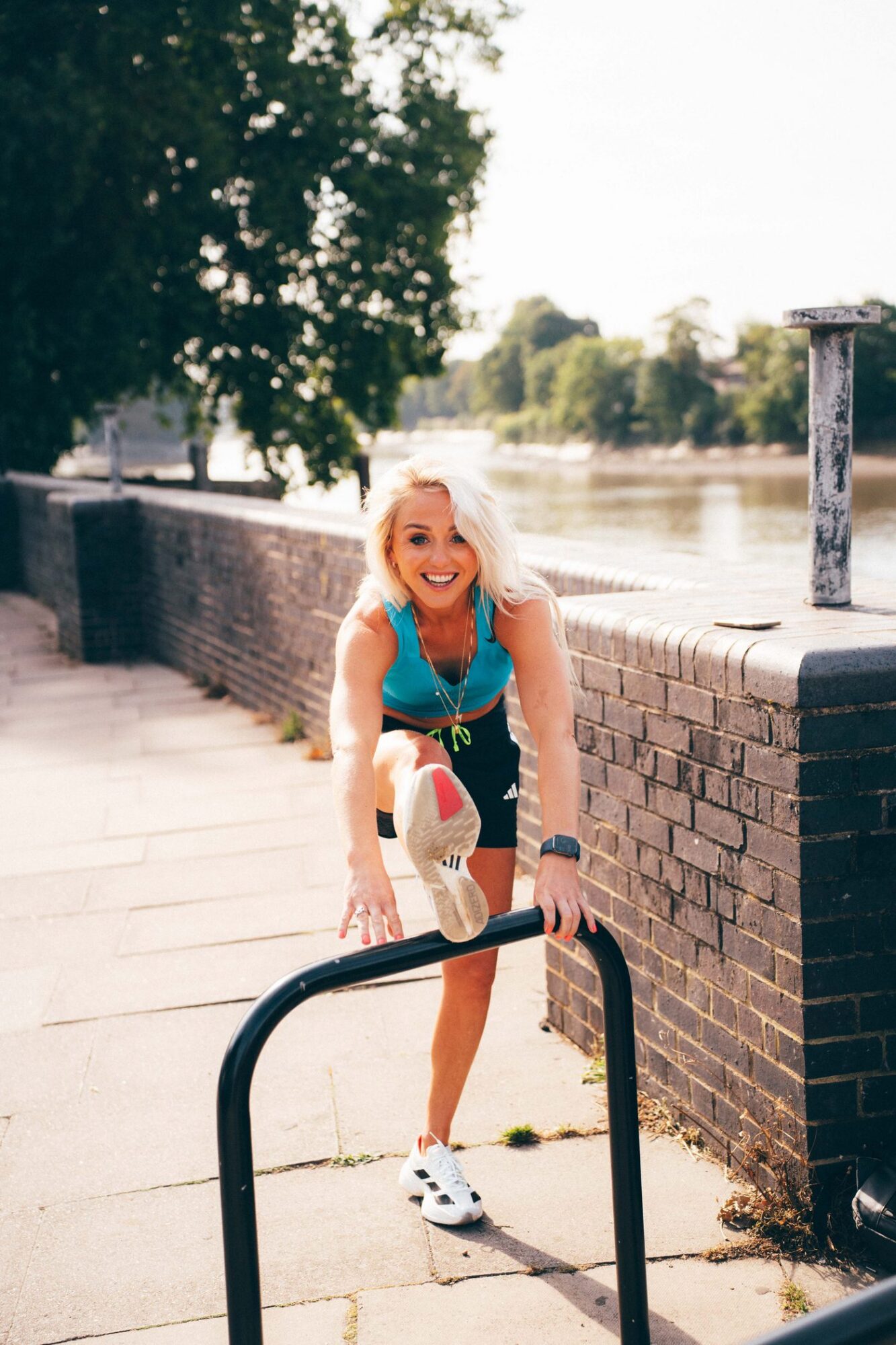
Our minds usually jump straight to strength work: squats, lunges, wall sits (my personal least favourite) and deadlifts. They are all brilliant and absolutely have their place. But there’s another part of training that I think gets overlooked: your engine.
Your aerobic fitness.
It might not be the obvious connection. When you think about skiing or snowboarding, you probably don’t immediately picture going for a run or getting on a road bike. But in my experience, having a strong cardio base can completely change how you feel on the mountain.
Think about what a ski day actually involves. There’s the walk to the lift in ski boots, carrying kit and wearing enough clothing to survive the Arctic. Then you start riding.
During my freestyle career, a competition run might have lasted around 45 seconds. Short, explosive and intense. Compare that with cruising a long piste somewhere like Val d’Isère, where you could be riding continuously for five or ten minutes. You jump on the lift, recover, then do it again. And again. For hours.


That ability to recover between runs is where aerobic fitness really comes into its own. The fitter your cardiovascular system is, the better your body can recover between those harder efforts, whether you’re charging steeps, riding moguls or doing laps through the snowpark.
You don’t need to become a marathon runner. You’re simply building a bigger engine underneath everything else you do.
I really noticed this during one season in New Zealand. I’d spent the summer road cycling, properly getting into it, with long rides around three times a week. When I arrived back on snow, something felt different. I couldn’t work out why, but I just wasn’t getting tired.
Everyone else seemed to be fading while I still had plenty left in the tank. I hadn’t radically changed my snowboard training. The big difference was all those hours on the bike.
Without really planning it, I’d built a huge aerobic base through something I simply loved doing.
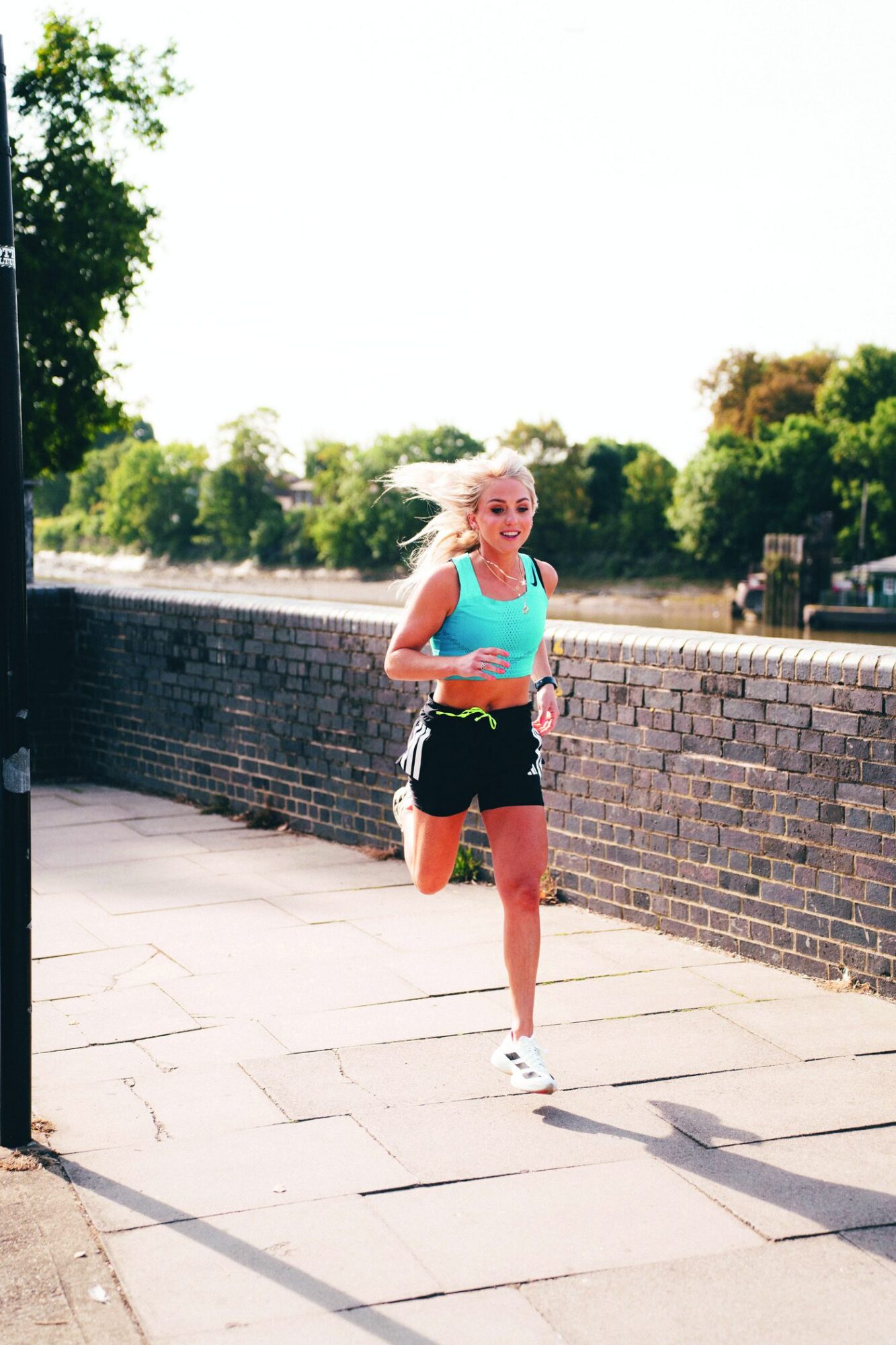
These days, running is my passion. Trainers on, out of the door and you’re moving. I notice a massive difference to my snowboarding when I’m aerobically fit, although the hardest part as autumn closes in can simply be getting outside.
My tricks are very basic. Gloves. Hat. Warm kit ready to go. I even leave my socks and trainers on the radiator. Heading into a cold morning suddenly feels much easier when your feet are warm.
And you don’t need huge distances. If you’re starting from scratch, try 20 to 30 minutes of easy movement two or three times a week. Jog, run-walk, cycle or head out for a brisk walk that gets your heart rate up.
The biggest mistake is believing every session needs to be a pain cave.
Those steady sessions where you can still hold a conversation are gold. Consistency beats destroying yourself once and then needing four days to recover.
Cycling is brilliant too. It’s lower impact, you can stay out for longer and hills naturally introduce harder efforts followed by recovery. If time is tight, throw in a few intervals: after warming up, go harder for one minute, ease back for two minutes and repeat five or six times.
Keep it accessible. And don’t worry about having a fancy bike. Bigger tyres and a heavier frame? That’s just more training.
Ideally, start six to eight weeks before your first trip, although even four weeks of regular aerobic work is worth having. The body’s ability to adapt is magic.
Strength, mobility and balance still matter enormously. I want strong legs, a strong core and the mobility to move properly on my board. But I see cardio as the foundation that lets me use all of that for longer.
Best of all, training through autumn becomes a way of running towards winter.
Every run, ride or brisk walk puts something in the bank for those first turns. You don’t need to train like an Olympian. Move a little, get your heart beating and gradually build your engine.
Because when that first proper snow day arrives, the goal isn’t simply to make it down the mountain.
It’s to get back on the lift and say: one more run?