
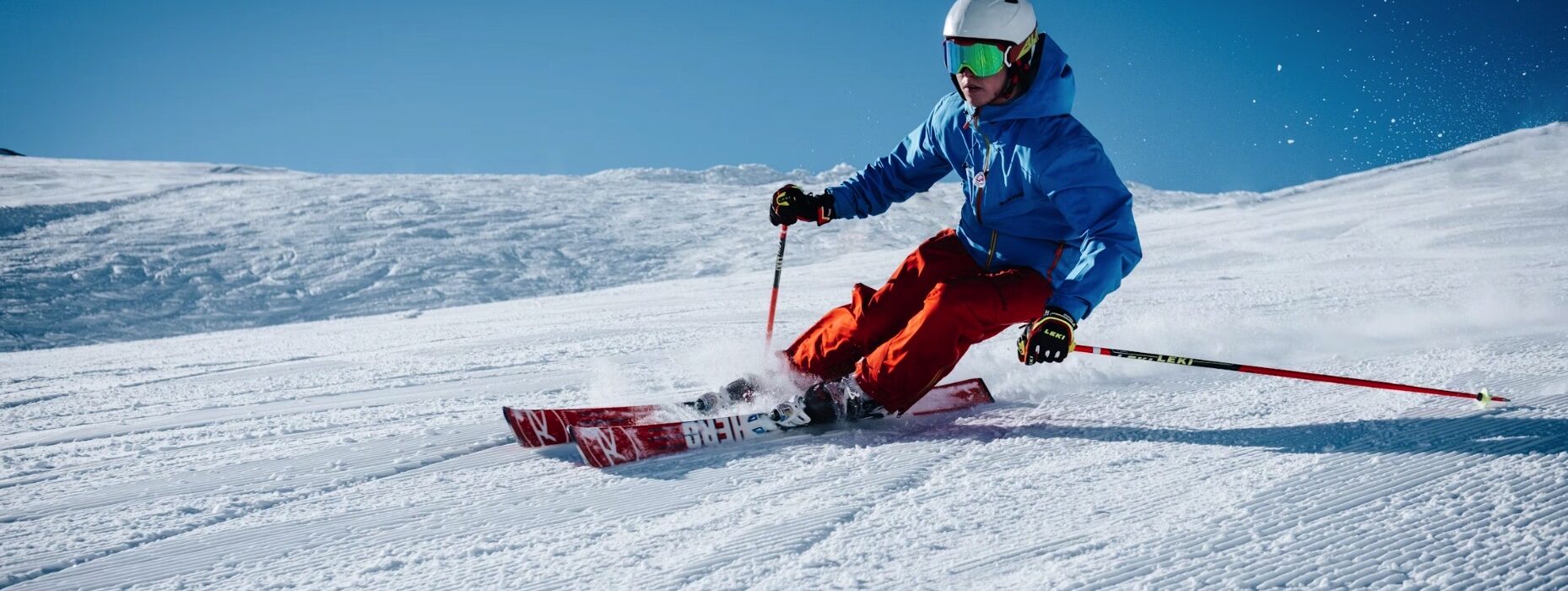
Winter athletes live a unique lifestyle, often spending months on the road chasing snow across different time zones and mountain ranges. Yet for many skiers and snowboarders, their passion for sport extends beyond the slopes to following football throughout the season. From alpine lodges to training facilities, these snow-focused athletes find creative ways to keep up with their favourite football clubs despite challenging schedules and remote locations.
The connection between winter sports and football goes beyond just a passing interest. Many professional skiers and snowboarders build strong bonds with teammates through shared football viewing, forming community during the isolating winter competition circuit. With modern technology and streaming services, athletes are able to watch important matches while training in remote mountain regions or competing across continents.
The Dual Passion of Winter Athletes for Football
Winter athletes across the UK keep close ties to football despite demanding training schedules. Many professional skiers and snowboarders grew up playing football before moving into winter sports, creating lifelong loyalties to specific clubs. British snowboarder Billy Morgan remains devoted to Southampton FC, watching matches whenever his training schedule allows.
For British competitors, Premier League news often dominates daily conversations. Freestyle skier James Woods notes that following football-related activities, such as checking betting odds, serves as a routine that provides a sense of home, especially during high-altitude training camps. Many winter athletes say they actively follow football leagues throughout their competitive seasons, making it a regular part of their routines.
The difference between the solitary nature of winter sports and the team dynamics of football creates a balance for many athletes. This dual sporting interest helps competitors maintain links to home while travelling the global competition circuit. Football discussions act as common ground among international teammates.
Remote Mountain Challenges for Football Fans
Winter athletes encounter specific challenges when trying to follow football. Many mountain resorts offer only patchy internet access, so teammates might cluster around a single device with a strong signal to watch highlights or updates. Time zone differences create further obstacles. Athletes competing overseas often set alarms to catch Premier League games live.
Major competitions can overlap with football fixtures, forcing a choice between watching live and focusing on recovery or preparation. This scheduling conflict can become more noticeable during key tournaments when athletes must choose between recovery time and watching important matches. Some athletes have admitted to losing sleep to keep up with football matches during competition seasons, showing how important the sport is in their lives.
The motivation to follow football despite these challenges shows its meaning to winter sports competitors. Many athletes say that maintaining this connection to football helps them feel grounded during the intense focus of competition seasons.
Technology Solutions for Slope-Side Football Updates
Essential Tools for Following Football from Remote Locations
Streaming apps designed for low-bandwidth environments enable winter athletes to stay up-to-date with UK football, even in remote locations. BBC Sport and Sky Go now offer features that switch between audio and video depending on the strength of the internet connection. These mobile apps have developed specifically to serve sports fans in challenging connectivity environments.
VPNs and secure streaming are commonly used for accessing UK broadcasts abroad, with official platforms always preferred for legal reasons. Many athletes use betting apps not just for wagering but as real-time score trackers when streaming isn’t possible. Dedicated viewing areas with reliable internet are becoming more common in team bases, giving athletes a way to unwind and watch football when away from the UK.
Football Culture Within Winter Sports Communities
Football conversations at international events help unite skiers and snowboarders from across the world. Rather than sticking to small talk about weather, athletes share opinions on Champions League results. These moments offer a neutral, enjoyable topic for bonding at ski lifts or the start gate.
Training camps often include casual football games that give athletes a chance to relax and get acquainted with new teammates. Informal matches act as an enjoyable break from daily routines and help build a strong sense of belonging. These friendly rivalries and team allegiances among international competitors have become a central part of winter sports culture.
Balancing Seasonal Priorities
Managing football routines alongside winter sports training takes careful planning. Athletes often try to schedule rest periods to align with major football games, aiming to ensure that breaks support recovery without interrupting important practice blocks. Some sports psychologists suggest that following football can help winter competitors stay motivated during demanding stretches.
Coaches are now more likely to view football viewing as a helpful part of the athlete routine, provided it does not interfere with essential training or recovery. Some team performance directors suggest that structured downtime activities like watching football may help improve focus during training sessions by providing mental breaks.
Once competition finishes, football often takes a central role as a social outlet and relaxation tool, supporting athletes as they move into the next season. This post-season football immersion serves as a mental recovery strategy after intense winter competition circuits. Many winter athletes say that the regular rhythm of football fixtures helps them maintain structure during their off-season training periods.