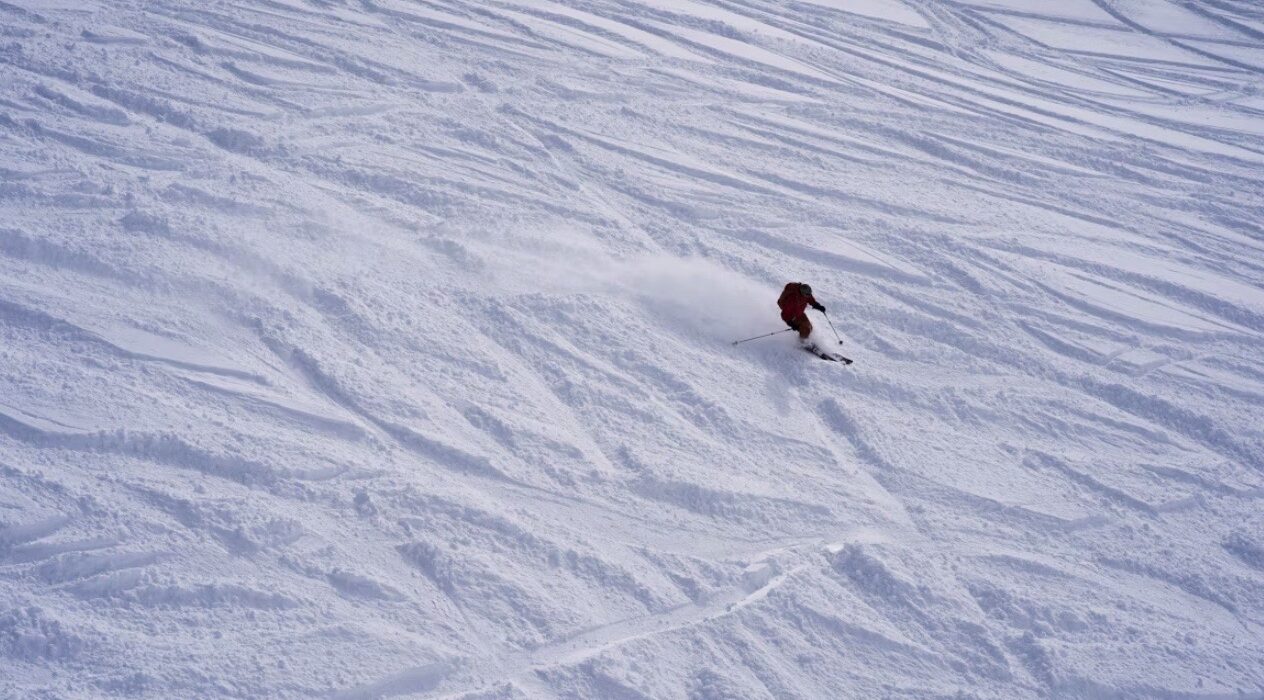
The image of a ski holiday usually involves a tight-knit group or a family, but that perception is rapidly changing. In 2026, traveling to the mountains alone is no longer a last resort; it is an intentional choice for freedom, efficiency, and self-paced adventure. Recent data shows a 25% surge in general European solo travel since 2022, and the ski industry is finally catching up, adapting its infrastructure to support the independent skier who seeks “me time” without isolation.
Solving the Single Supplement Barrier
The historical struggle for solo travelers has always been the exorbitant “single supplement” surcharge, which often inflated accommodation costs by 50% or more. However, 2026 marks a tipping point where specialist tour operators like Skiworld and Crystal Ski are actively challenging this norm. They are creating dedicated “Singles’ Ski Weeks,” guaranteeing rooms without the penalty surcharge by reserving entire chalets for solo guests. Simultaneously, forward-thinking hotels in areas like the Dolomites and St. Anton are building rooms specifically designed and priced for one person. This shift redefines skiing as an accessible personal challenge rather than a group activity, appealing to those who love the discipline of the sport and perhaps enjoy tracking the competitive elements of other sports on platforms like 1xBet in their downtime.
For the solo skier, timing is everything to avoid the traditional single supplement. The best savings are typically found during these quieter periods:
- Mid-January: The window immediately following the New Year’s and Orthodox Christmas rush, before the European school holidays begin.
- Early March: The brief lull between the peak season of February half-term and the start of spring break crowds.
- Shoulder Season Weeks: Operators often offer guaranteed no-supplement deals during the first and last weeks of the season when booking smaller, independent chalet stays.
The Speed Advantage: Infrastructure for One
Resorts have recognized that solo riders are incredibly efficient in utilizing lift capacity. Instead of waiting for a group of four to coordinate themselves, an individual can instantly fill the last empty spot on a high-speed quad or gondola. This realization has driven a major change in lift line management.
The North American practice of Single Rider Lanes has become standard across major European resorts, including Val d’Isère and sections of Trois Vallées. A solo skier using this dedicated lane can bypass the standard queue, often getting on the lift two or three times faster than a large group during peak morning rush. Imagine standing at the bottom of the Solaise Gondola in Val d’Isère; a solo rider using the dedicated line is whisked up the mountain by filling the empty tenth seat in the next cabin, proving that individualism equals speed on the slopes. This focus on maximizing efficiency for the single traveler fundamentally improves the entire skiing experience.
Building a Community: The Social Side of Solitude
While a solo traveler values their independence, they often still want social interaction in the evenings or a trusted ski buddy for off-piste exploration. Resorts are actively addressing this by repositioning group activities as community-building events.
Ski schools now market group lessons not just as instruction, but as “ski socializing events.” The focus shifts from basic technique to group adventures, such as high-level off-piste safety courses or guided glacier excursions. These activities organically pair competent riders who share a common interest and are looking for a trustworthy partner. Furthermore, technology is simplifying the process of finding temporary companionship.
Digital tools now make it easier than ever to connect with fellow solo travelers:
- Dedicated Buddy Apps: Localized resort apps and platforms like SkiLynx are being used more frequently by solo skiers to broadcast their location or find a companion for a specific run.
- Smart Goggle Integration: As covered in previous reports, the new Rekkie smart goggles allow you to see the real-time locations of other connected riders, providing a vital sense of security and easy synchronization if you spot a nearby group heading in your direction.
- On-Lift Connectivity: The continuing trend of installing robust Wi-Fi networks in high-capacity gondolas allows solo travelers to use the downtime to plan their afternoon itinerary or coordinate dinner plans without relying on patchy mobile service at the summit.
Destination Focus: Leader Resorts for Soloists
Certain resorts have developed reputations as inherently solo-friendly destinations due to their unique atmosphere and infrastructure. These places combine incredible skiing with a welcoming social scene.
St. Anton in Austria is legendary for its vibrant après-ski culture, particularly at venues like the MooserWirt. The highly social atmosphere here makes striking up a conversation over a beer simpler than coordinating a complex day trip. In France, Val d’Isère and Tignes offer massive linked terrain and a high population of professional instructors and English-speaking seasonal staff, simplifying logistics and social engagement. Meanwhile, for the serious adventurer, Zermatt in Switzerland attracts a disproportionately high number of experienced solo freeriders who often link up with local mountain guides to tackle technical Matterhorn ascents.
The era of solo skiing has arrived. It is defined by freedom from itinerary compromise, cost parity thanks to the elimination of the single supplement, and the speed advantage of accessing lifts through the single rider lane. This season, embrace the independence and find your flow on your own terms.