
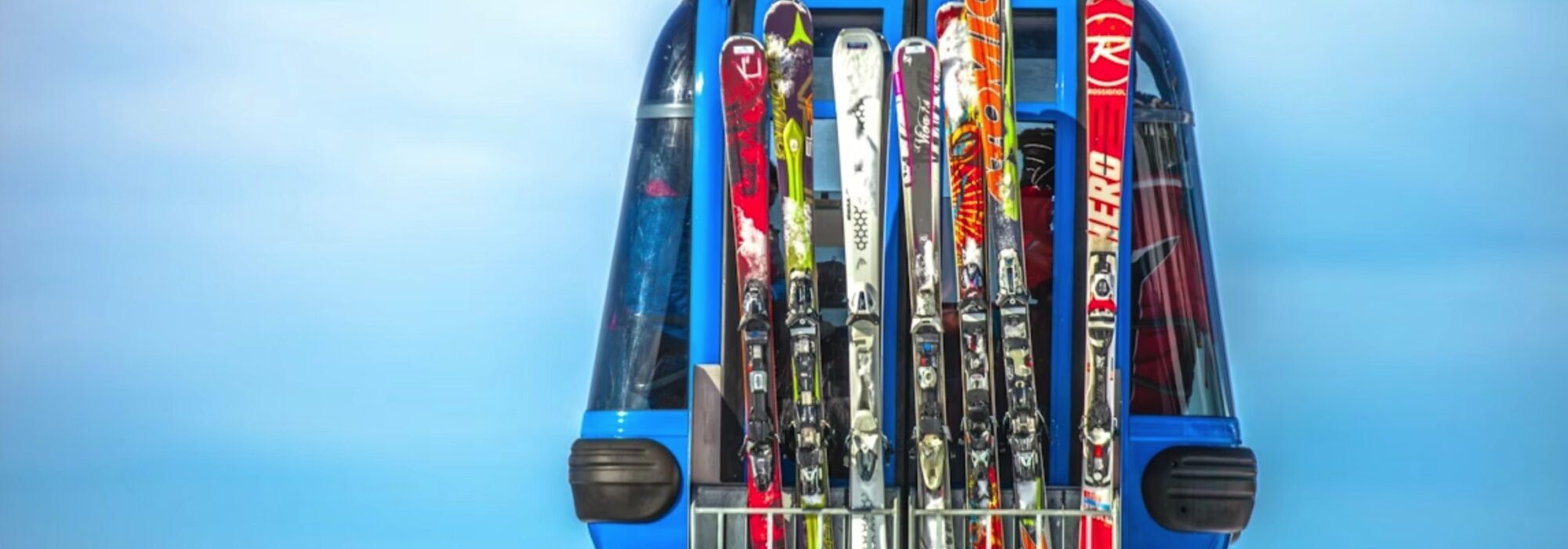
A lot of ski trips are quietly built around one awkward fact: not everyone in the group actually wants to ski all day. One person loves it, one tolerates it, one gave up after the rental fitting, and suddenly, the holiday needs a wider shape.
Fortunately, resorts have gotten wiser to the fact. The modern ski holiday is often built around mixed groups and mixed ideas of what makes for a good day, one person chasing the first lift, another booking a spa slot, another happy with a scenic gondola and a long lunch. That has made winter travel far more flexible for non-skiers than the old stereotype suggests.
So, this begs the question: what do you actually do on a ski holiday when you aren’t skiing?
Start by treating the resort like a destination
The easiest way to improve the trip is to stop treating everything beyond the piste as second-best. A mountain resort is still a destination when the skis stay in the rack. The altitude, the views, the food, and the slower rhythm all shape the day.
The best non-ski activities are not random fillers. They make use of the place itself, which is why good resorts now invest in walking routes, panoramic terraces, wellness areas, and off-slope experiences that feel like part of the holiday rather than a footnote.
Done well, they keep the week from shrinking into a single daily routine, as your “ski holiday” evolves into just a holiday!
Book the mountain without the skis
Scenic lifts and winter walks
A pedestrian lift pass can do a lot of work. You still get the ascent, the views, and that high-altitude hush that settles in once the lift station drops behind you.
In many resorts, marked winter paths or short panoramic routes make it easy to spend a morning outside without pretending you want a technical challenge.
It helps to give the outing a purpose, of course. Meet the skiers for lunch on the mountain, take the cable car up for photographs, or build the day around a viewpoint that would be annoying to reach by car.
Try one low-pressure snow activity
There is also a wide middle ground between skiing all day and doing absolutely nothing. Snowshoeing, sledding, ice skating, and sleigh rides all deliver the winter feel without lessons, lift queues, or battered legs by noon.
Give the village a proper afternoon
Resort villages are easy to overlook because most people see them only in passing. Slow the pace down, and the place starts to reveal itself.
A good mountain village has its own rhythm once the morning rush clears. Bakeries settle down, small food shops become worth wandering into, and lunch stretches pleasantly longer than it would at home. If there is a market, tasting room, or tiny museum, that is often where the trip picks up personality.
These are the details people remember later: the expensive local cheese that turned out to be worth it, the café with steamed-up windows, the side street you only noticed because you were not in a rush. They give the holiday more shape than another hour of hovering around a rental shop.
Make the evening part of the holiday
Ski trips can become repetitive after dark if every night ends up at the same bar and the same stories about conditions. A bit of variety fixes that quickly.
One evening might be for a proper dinner, another for live music in a hotel lounge, another for a quiet night in with cards, a film, and something decent to drink. The calmer version of après-ski is often the one people end up liking most.
That quieter downtime is also where small digital distractions fit naturally. Back at the chalet or hotel, it does not feel odd to scroll, play, or check bingo offers while the ski gear dries near the door and the day finally slows down.
Lean into the spa properly
Wellness gets treated like backup too often. In a mountain setting, a winter spa can be one of the strongest parts of the trip, cold air outside, heat inside, snow beyond the glass, no need to be anywhere fast.
It works best when you stop treating it as an hour to kill. Book enough time, use the sauna and pool properly, read a little, and drift a little. By late afternoon, the person who skipped the slopes may well have had the better day.
Plan one full non-ski day on purpose
The strongest version of this holiday usually includes one day with no pressure to ski at all. A simple reset might look like this:
- Slow breakfast and no race for the first lift
- Scenic gondola or short winter walk
- Long lunch with a view
- Afternoon spa, pool, or ice rink
- Dinner somewhere worth dressing up for
A day like that can make the whole trip feel like an endurance test in expensive outerwear. It also gives everyone something better to talk about than snow reports and sore calves.
A good ski holiday leaves room for different versions of fun
The best resorts no longer assume every guest wants the same relationship with snow. People arrive with varying levels of confidence, budgets, and thresholds for cold.
If the trip still feels full when the skis stay untouched for a day, the resort has done its job. A winter break that can hold both first-chair obsessives and late-breakfast wanderers is usually the more memorable one.