
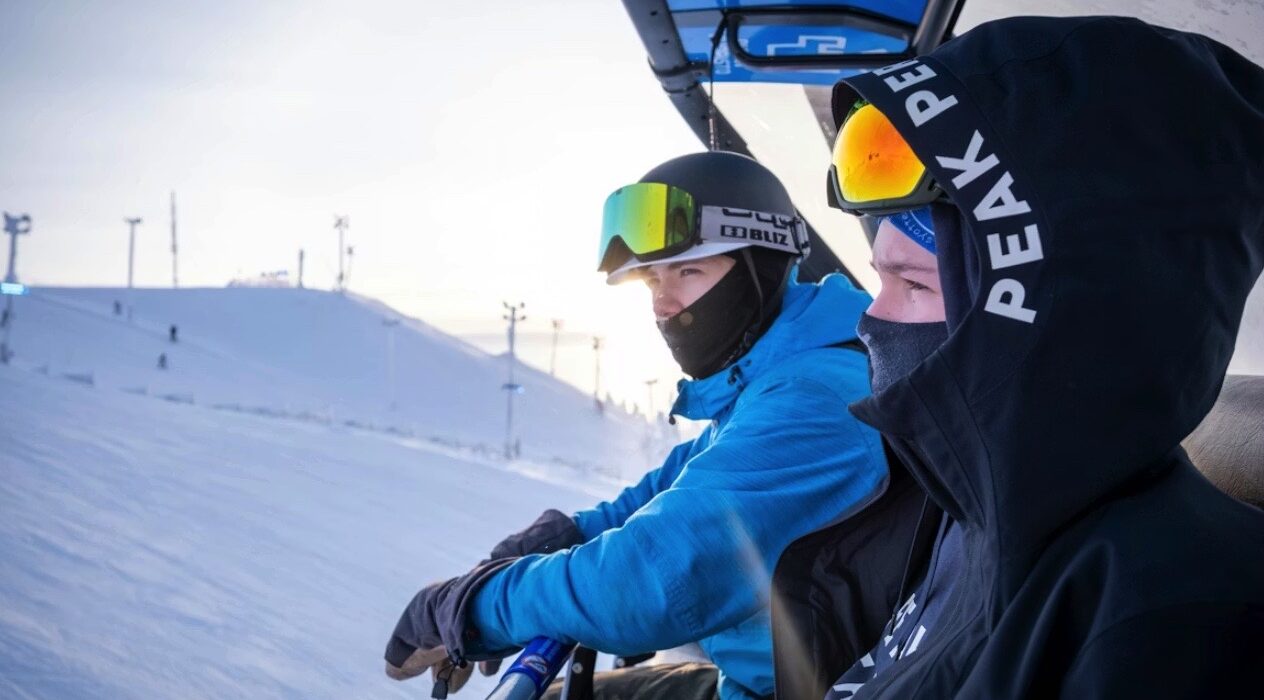
The 2026 ski season marks a significant inflection point where advanced electronics cease to be niche gadgets and become foundational pieces of gear. Skiing is now a fully connected and actively protected sport. This year, we are seeing the mainstream adoption of augmented reality displays in our goggles and instantaneous impact protection in our vests. The shift isn’t just about fun; it’s about real-time data integration and accident prevention, giving every rider a pro-level advantage on the mountain.
The New Reality: Smart Goggles That See More
Forget simply protecting your eyes from glare; the modern goggle is now a crucial command center. The key innovation is the Heads-Up Display (HUD) that projects critical data directly onto a corner of the lens without obstructing your vision. Companies like Rekkie have stabilized the technology, offering transparent displays that show metrics like speed, current altitude, and slope angle. This means you never have to break your downhill flow or pull off a glove to check your phone. For competitive skiers or those who track their progression obsessively, this data overlay is indispensable. For those who enjoy the competitive side of skiing and other high-stakes environments, you might even be tracking the winter sports results on 1xbet.
Connectivity is the second major pillar. The new generation of smart goggles uses a low-frequency radio channel (often 915 MHz) for group tracking. This allows you to see the real-time coordinates of your entire ski party on the HUD, effective up to 600 meters, even in areas with zero cellular service. Controlling these complex systems is surprisingly simple, typically managed by glove-friendly buttons or even intuitive head tilts, meaning a quick glance up brings up your session statistics.
The practical advantages of wearing these advanced systems extend far beyond simply tracking speed. Here are three reasons why smart goggles have become a standard requirement for the 2026 season:
- Real-time Group Awareness: Radio-based tracking keeps your party visible on the map, eliminating frustrating meeting points and lost group members.
- Active Anti-Fogging: Integrated micro-ventilators with humidity sensors automatically activate when a fogging risk is detected, ensuring your visibility remains crystal clear even during high exertion.
- Adaptive Photochromic Lenses: Lenses featuring new technology from brands like Julbo can adjust their Visible Light Transmission (VLT) in milliseconds using built-in LCD layers and solar power, instantly adapting to sudden changes in light conditions, such as entering a shadowed forest line.
Intelligent Armor: Airbag Vests for Piste Protection
Active protection has officially moved from avalanche backpacks to impact defense. The biggest safety story of 2026 is the adoption of airbag vests designed to protect against non-avalanche impacts, such as hitting a patch of ice or a tree on the piste.
These vests are essentially intelligent armor. Systems like the Dainese D-air® Ski Shield 3X use sophisticated algorithms to monitor a skier’s movement 1,000 times per second using integrated GPS, gyroscopes, and accelerometers. When the sensors detect a critical fall angle or a sudden, sharp impact, the airbag deploys in mere milliseconds, covering the chest, ribs, and back. This significantly reduces the risk of traumatic upper body injury. Furthermore, the 2026 models have solved a major pain point: the gas cartridge can now be replaced by the user up to three times without sending the entire unit back to the service center.
The shift towards this intelligent armor is driven by ease of use and reduced bulk. The modern airbag vest, exemplified by the Alpinestars Tech-Air 3 (certified Level 2), weighs only about 1.8 to 2.2 kilograms. For backcountry enthusiasts, the new generation of avalanche backpacks like the BCA Float E2 MtnPro have become about 15% lighter by adopting supercapacitors instead of traditional gas canisters, making them hassle-free for airline travel.
Digital Coaching and Communication
Safety and awareness are essential, but the new tech also focuses on performance and communication. Tools are now available to coach you silently throughout your run.
The Carv 2 system, for instance, has refined its sensors, making them thin enough to integrate seamlessly into your boot liners. This platform provides real-time, actionable voice feedback through your connected headphones, correcting your form mid-turn. You might hear simple, direct instructions like, “More pressure on the outer ski” or “Initiate the traverse earlier,” turning every run into an instant, personalized training session.
To keep groups tight and coordinated, communication technology has also advanced. The Cardo Packtalk Outdoor system uses Mesh technology, allowing an entire group to talk hands-free in an open mic, walkie-talkie style. This is far more reliable than cellular-based group calls and maintains a stable connection up to one kilometer, proving essential for off-piste ventures. For basic maintenance, the introduction of the Mountain Flow Eco Wax IR Waxer offers a compact, easy-to-use infrared waxing tool that guarantees superior base glide compared to traditional hot ironing. These essential tech components run for a full day, with most 2026 gear standardized on high-capacity batteries and universal USB-C ports, ensuring 8 to 10 hours of uninterrupted performance on the slopes.