
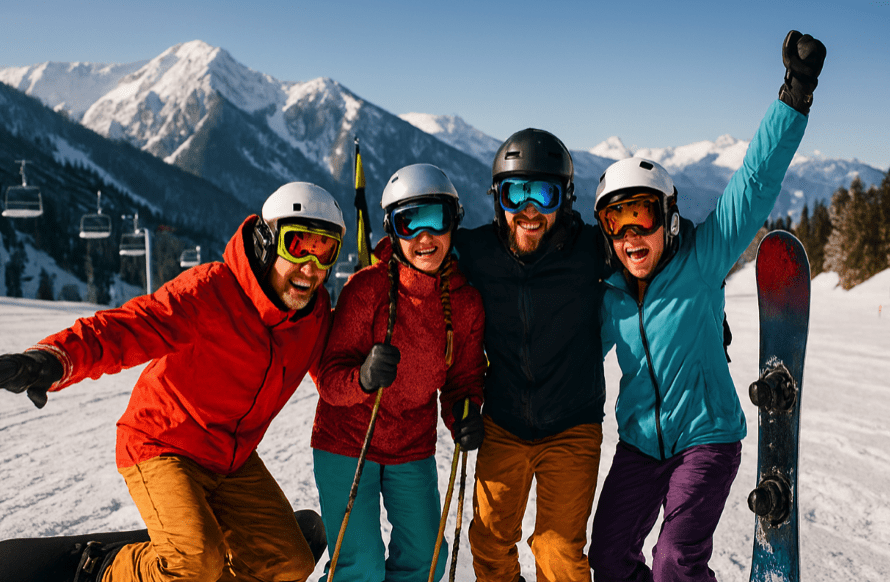
Mixed-group ski trips fail for one predictable reason: the schedule is built around the mountain, then everyone else is expected to “figure it out.” That creates silent resentment fast, even when everyone likes each other. The fix is not forcing non-skiers onto lifts or making skiers sit in the condo all day. It is designing two parallel experiences that reconnect at the right times, so the trip still feels shared.
- Lock in two budgets up front – one for skiing, one for everything else.
- Pick a resort where non-ski days still feel like a win, not a consolation prize.
- Use a two-track schedule with planned meet-ups so nobody is stranded or rushed.
- Audit hidden costs early – resort fees, lockers, parking, and food markups cause the most arguments.
- Protect friendships with one “group anchor” each day – a dinner, a ride, or a shared activity.
Why Mixed Skill Ski Trips Often Feel Unbalanced
When some people ski and others do not, the default pattern is predictable: skiers chase first chair, non-skiers sleep in, and the day never reconnects. The non-skiers end up waiting for texts, meals get decided last-minute, and “we’ll meet later” turns into a separate vacation. What you want instead is clarity – what’s the plan, what’s optional, and when does the group actually come together.
Pro tip: Name the imbalance out loud before the trip. “We’re doing two tracks, but we’re still a group” sounds basic and prevents a lot of passive frustration.
Set Expectations Before You Book Anything
Most mixed trips break before anyone even arrives – because expectations were never negotiated. One person assumes a luxury ski week, another assumes a cheap getaway with a few casual runs. Agree on the basics once, then stop relitigating them every morning.
Define Two Budgets: On Slope and Off Slope
Separate the ski spend from the rest of the trip. “On-slope” includes lift tickets, rentals, lessons, and mountain lunches. “Off-slope” includes lodging, dinners, groceries, wellness, and local activities. This avoids a classic conflict where non-skiers feel they are subsidizing ski costs – or skiers feel punished for wanting to ski.
Quick win: Use a shared note with two budget lines and one rule: any add-on over a set amount gets group approval.
Agree on Morning Start Times and Meet Up Windows
Mixed groups need a predictable rhythm. Decide on a “quiet morning” block where skiers can go early and non-skiers can ease in. Then set one guaranteed meet-up window – for example, a late lunch or an early après snack – so nobody is guessing.
Decide What Counts as a “Group Win” Each Day
A group win is one shared moment that everyone can enjoy regardless of skill. It could be a scenic gondola ride, a reservation at a midrange restaurant, or a movie night. You only need one anchor per day, but you need it consistently.
Choose a Resort That Works for Non Skiers Too
If you choose a resort purely based on trail maps, half the group may be stuck with expensive boredom. Non-skiers need walkability, comfortable indoor options, and an easy way to access the “resort vibe” without committing to a full ski day.
Village Layout and Walkability Over Perfect Ski Maps
Prioritize a village you can walk – coffee, groceries, rentals, and casual dining within a few blocks. Walkability is the hidden quality-of-life feature that keeps non-skiers from feeling trapped.
Spa, Pools, and Wellness Access That Is Actually Convenient
Wellness is only useful if it is easy. A spa that requires a shuttle, a long wait, and extra fees becomes a one-time novelty. Look for properties with included pools, hot tubs, or fitness access that non-skiers can use daily.
Easy Transit Options for People Skipping the Mountain
Non-skiers should not need a car to have a good day. Frequent shuttles, pedestrian paths, and short rides to town make the trip feel flexible.
Here’s a quick comparison you can use when choosing lodging for a mixed group:
|
Lodging Option |
Best For Non-skiers |
Common Hidden Costs |
|
Ski-in ski-out condo |
Convenience and cozy downtime |
Higher nightly rate, resort fees, pricey on-mountain food defaults |
|
Village hotel |
Walkability and easy activities |
Parking fees, small rooms, paid breakfast add-ons |
|
Nearby town rental |
Lower cost and better dining variety |
Transit time, rideshare surges, limited shuttle schedules |
Watch out: “Close to the resort” can still mean a 25-minute drive and paid parking every day. Map the door-to-door reality, not the marketing pin.
Build a Two Track Daily Plan Without Splitting the Group
A good schedule is not strict – it is predictable. Everyone should know what the skiers are doing, what the non-skiers are doing, and when the group reconnects. The simplest approach is to plan one meet-up and let everything else be optional.
The Midday Meet Up Strategy That Keeps Everyone Included
Make the meet-up easy for both tracks. Midday works because skiers get a break and non-skiers get a purpose to their day. Pick a reliable place with indoor seating so weather does not sabotage it.
Step-by-step: A simple two-track day plan
- Set a meet-up time – it removes constant texting and decision fatigue.
- Choose one meet-up location – it prevents “where are you?” confusion and wasted walking.
- Assign two morning blocks – skiers do lifts, non-skiers do a planned activity, both feel intentional.
- Confirm one shared dinner plan – it keeps the trip social even if the day is split.
- Add one flexible evening option – it reduces pressure when people are tired or on different energy levels.
- Do a 2-minute budget check – it catches drifting costs before they become arguments.
Non Skier Morning Blocks: Coffee, Errands, and Scenic Options
Non-ski mornings work best when they are low-friction. Think coffee and a walk, a bookstore, a photo loop, or a short scenic ride. If your resort has a gondola open to pedestrians, that is often the most “ski trip” feeling without skiing.
Group Dinners and One Shared Night Activity
Dinner is the easiest anchor because everyone eats. Rotate styles – one casual night, one nicer reservation, one condo meal. Then pick one shared night activity so the trip doesn’t become everyone staring at separate screens.
Pro tip: Build one “no logistics” night early in the trip – same restaurant, same time, no debates. It sets the tone.
Off Slope Activities That Feel Like a Real Vacation
Non-ski activities should not feel like leftovers. The goal is to keep the resort experience – snow, views, warmth, and comfort – without forcing a full day pass.
Scenic Rides, Snowshoeing, and Beginner Friendly Experiences
Scenic gondola rides, snowshoe trails, and beginner areas with shorter tickets can be better value than pushing a non-skier into an expensive lesson they do not want. Even for skiers, a rest day can improve performance and reduce injury risk.
Low Cost Resort Amenities People Miss
Many people pay resort fees and never use the benefits. Look for fire pits, live music, movie nights, fitness centers, and free shuttles. These create “vacation texture” without extra spending.
In Room Downtime Options That Do Not Blow the Budget
Some downtime happens in the room – especially if the group is mixed on stamina. Board games, a shared movie, or quiet reading can be the cheapest part of the trip. Some adults also choose casual online entertainment for short breaks, including browsing a real money casino site, but it should stay in the lane of entertainment and never become a budget leak. If anything stops being fun or starts feeling like a way to “win back” money, that is your cue to stop and seek support.
Quick win: Plan one low-key night in advance so you do not default to expensive bars out of habit.
The Hidden Costs That Trigger Arguments
Hidden costs cause fights because they feel unfair. One person pays for parking, another pays for groceries, someone else buys the “just for today” add-on – and nobody knows the true total until the trip ends.
Resort Fees, Tips, and Convenience Charges
Resort fees often cover basics you assumed were included. Tips add up across shuttles, valet, ski services, and dining. These are normal, but they need to be anticipated so nobody feels blindsided.
Rentals, Lockers, and “Just for Today” Add Ons
Small upgrades are where budgets drift. The “better boots,” the locker “for one day,” the paid baggage storage – each feels minor until you stack them for four days.
Food Markups and the Snack Plan That Prevents Overspending
Mountain food is priced for convenience. The simplest defense is a snack plan: breakfast in lodging, portable snacks in a day pack, and one intentional meal out.
Here is a quick Do and Don’t table to keep costs from turning into conflict:
|
Do |
Don’t |
|
Split costs by category, not vibes |
Assume “we’ll settle up later” will feel fair |
|
Decide parking and transit once |
Pay daily parking without tracking it |
|
Buy snacks and water in town |
Rely on on-mountain impulse food every day |
Pro tip: Take photos of receipts and drop them into a shared album. It reduces awkwardness and keeps everyone honest.
How to Keep Everyone Happy Without Overplanning
The best mixed ski trip is structured like a good group project – clear roles, simple rules, and regular check-ins. Keep the plan light: one anchor activity daily, one meet-up window, and one budget rule everyone understands. If you do that, skiers get their mountain time, non-skiers get a real vacation, and the group still feels like a group.
Before you go, run this quick wrap-up:
- Confirm two budgets and one approval rule for add-ons.
- Choose a meet-up window and one shared daily anchor.
- List your hidden-cost risks and decide how you’ll track them.
A mixed-group ski trip can be one of the easiest friendships tests or one of the best vacations you take. The difference is planning for two experiences on purpose, not by accident.