
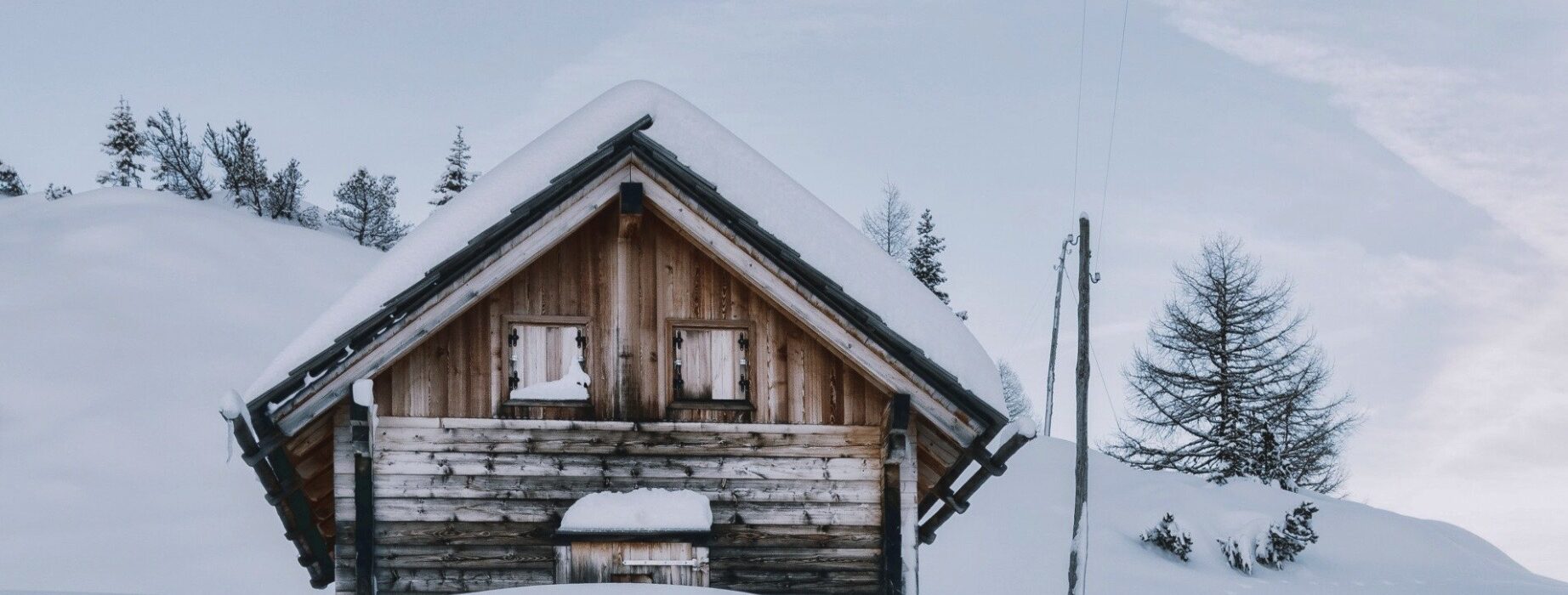
For decades, the quintessential image of a ski holiday involved dancing on tables in ski boots while a saxophone player blasted 90s hits over a thumping bassline. The “party hard” culture of resorts like Val d’Isère, St Anton, and Ischgl was almost as famous as the skiing itself. However, a quiet revolution is taking place across the Alps. As we move through 2026, the focus for many British skiers has shifted from raucous nightlife to something far more restorative. The definition of après-ski is evolving, moving from the sticky floors of crowded bars to the plush sofas of private accommodation.
This shift isn’t just about getting older; it is about value, comfort, and a desire to maximise the actual skiing experience. After a gruelling six hours on the mountain, the appeal of a roaring log fire, a home-cooked meal, and a comfortable environment is winning out over overpriced lager and deafening music. The modern skier is increasingly viewing their accommodation not just as a place to crash, but as the central hub of their holiday experience.
The hidden costs of traditional resort nightlife
One of the primary drivers behind this cultural shift is undoubtedly economic. Skiing has always been a premium hobby, but the rising cost of living and inflation across European resorts have made the “extras” significantly more painful for the average wallet. When a round of drinks costs as much as a daily lift pass in some smaller resorts, holidaymakers are naturally reassessing their priorities. It is no longer just about the price of the flight and the chalet; it is the daily spend that creeps up when you commit to the traditional après circuit.
Skiers are becoming far more calculated regarding where they allocate their budget. Rather than burning cash on expensive nights out, enthusiasts are choosing to invest that money into better gear, private tuition, or simply ensuring they can afford to return to the mountains the following year. By shifting the socialising to the chalet or apartment, groups can enjoy premium wines and quality food at supermarket prices, avoiding the exorbitant mark-ups found in resort centres.
Curating your own chalet entertainment experience
Moving the party indoors doesn’t mean the fun stops; it simply changes shape. The rise of “staying in” has led to holidaymakers taking control of their evening entertainment, tailoring it to their specific group dynamics rather than relying on a DJ’s playlist. Modern accommodation is often equipped with high-end sound systems, smart TVs, and gaming consoles, allowing for a more personalised downtime experience. Whether it is a competitive board game tournament or a movie marathon, the atmosphere is relaxed and inclusive.
For many, the evening entertainment has moved from crowded dance floors to the digital realm, where accessibility and security are paramount. Some travellers enjoy a flutter online to unwind after a day on the slopes, seeking platforms that offer reliability and safety. Those exploring options like betting sites reviewed by eSportsInsider expect seamless experiences when engaging with online platforms from the comfort of their sofa, paying instantly with a credit card. This digital shift allows skiers to engage in their preferred leisure activities without leaving the warmth of their accommodation, blending the excitement of gaming with the physical recovery needed for the next day.
Embracing digital downtime and connectivity
The trend toward staying in is also influencing the type of accommodation British skiers are booking. The romanticised idea of the shared catered chalet is evolving as travellers seek more flexibility and privacy. High-speed Wi-Fi and modern amenities are now non-negotiable, as skiers want to stay connected, stream their favourite shows, or simply upload their GoPro footage from the day without buffering issues. The environment is becoming more self-contained, catering to a desire for personal space over communal chaos.
This change in preference is evident in booking statistics, which show a move away from traditional models. Data indicates that 13% of UK skiers stayed in a catered chalet during the past season, a significant drop from 38% pre-Covid, with 3* and 4* hotels now the most popular at 61%. This suggests that while the “chalet party” vibe is declining, the desire for comfortable, private spaces where one can control the environment is rising. Whether in a hotel suite or a self-catered apartment, the goal is to create a personal sanctuary that serves as a retreat from the cold and the crowds.
Prioritizing rest for better performance on piste
Ultimately, the move away from late-night partying is driven by a renewed focus on the sport itself. Skiing and snowboarding are physically demanding activities, and the “work hard, play hard” mentality often resulted in missed mornings and sluggish performance. Today’s skiers are more athletic and goal-oriented, viewing their holiday as a time to progress their skills rather than just a social event. Waking up fresh for the first lift and carving tracks on pristine corduroy is infinitely more rewarding than nursing a hangover in bed until noon.
This dedication to the sport is reflected in the frequency with which Brits are hitting the slopes. With 52% of UK skiers planning to take more than one ski holiday next winter, up from 38% last year, the focus is clearly on maximizing time on the snow. To sustain multiple trips and high-intensity days, rest becomes a critical component of the itinerary. By swapping the bar stool for the sofa, skiers are ensuring they have the energy to tackle black runs and off-piste itineraries with confidence. The new après is not about how late you stay out, but how well you recover for the adventures of tomorrow.