
Accommodation

Quick answer: Furano suits powder hounds wanting some of Japan’s driest, lightest snow, skiers and racers who appreciate a resort with genuine World Cup pedigree, and travellers wanting a real working Hokkaido town rather than a purpose-built resort bubble. It is less suited to those wanting a huge, sprawling ski area or a lively international apres scene.
Quick resort facts
Ski area: around 25km of piste, 12 lifts (2 drag, 8 chair, 2 high-capacity) across the Furano and Kitanomine zones · Altitude: base 250m · Longest run: 4km · Nearest airport: Sapporo New Chitose (150km) · Season: mid-November to early May
Furano is a genuine working town in central Hokkaido, better known internationally for its summer lavender fields and sweet melons than as a ski destination – yet it has hosted FIS Alpine Ski World Cup races and built a loyal following among powder-hunting skiers who rate its snow among the driest and lightest in Japan. The town’s dual identity, a quiet agricultural centre in summer and a serious ski destination in winter, gives it a distinctly authentic character rarely found at more internationally-focused Hokkaido resorts.
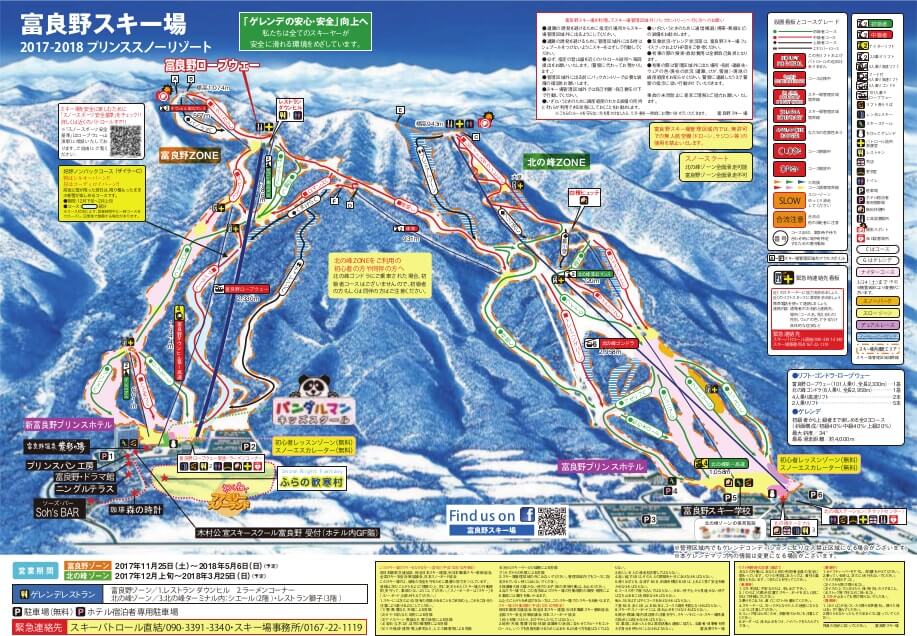
Skiing is split across two connected areas run by Prince Hotels: the Furano Zone, home to the steeper World Cup pitches and the main gondola, and the quieter Kitanomine Zone closer to the town centre. Because Furano sits inland rather than directly exposed to coastal weather systems like Niseko, its snow tends to be exceptionally dry and squeaky underfoot.
Jump to: Ski Area · Skiing by Ability · Snow Reliability · Lift Passes · Getting There · FAQs
Terrain split: gentle lower slopes and nursery areas for beginners; long, varied cruising runs across both zones for intermediates; genuinely challenging World Cup-calibre pitches in the Furano Zone for advanced skiers.
Best for: powder skiers seeking exceptionally dry, light Hokkaido snow; visitors wanting an authentic Japanese town alongside their skiing; strong intermediates and advanced skiers interested in the resort’s World Cup-calibre race terrain.
Not for: skiers wanting a huge, sprawling ski area, as Furano’s 25km is modest by Hokkaido standards; those seeking a big, international apres scene, since the town is quieter and more local in character than Niseko.
Furano’s roughly 25km of piste is split across two connected zones: the Furano Zone, with steeper terrain and the resort’s main gondola, and the Kitanomine Zone, a gentler, more local area nearer the town centre. Twelve lifts, including two high-capacity gondolas, two drag lifts and eight chairlifts, serve the mountain, keeping queues short even on busy days. A free shuttle bus connects the two zones and the town centre, making it straightforward to base yourself in Furano itself rather than at the slopeside hotel.
The Furano Zone regularly stages FIS Alpine Ski World Cup races, and its longest run stretches to around 4km, giving the resort a level of technical pedigree that belies its relatively compact size compared with Hokkaido’s larger resorts.
Beginners generally start in the Kitanomine Zone, where gentler gradients and a relaxed atmosphere make for an easier introduction to Hokkaido skiing. Intermediates have plenty of varied cruising across both zones, with enough terrain to fill several days without repetition.
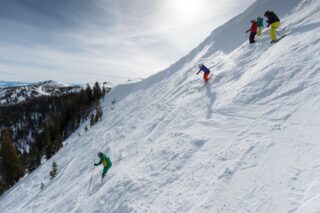
Advanced skiers should head for the Furano Zone’s steeper race-calibre pitches, and tree skiing either side of the pisted runs offers a taste of the powder that has built the resort’s reputation, though Furano’s lift-served terrain is smaller overall than Niseko’s.
Furano’s inland central-Hokkaido location, away from the coastal weather systems that hit resorts like Niseko, gives it a reputation for producing some of the driest, lightest powder in Japan. The season runs from mid-November to early May, with January and February typically bringing the deepest, driest snow, while March offers a good balance of settled weather and reliable cover. That dry, squeaky snow quality is a particular draw for powder skiers who have already experienced Niseko and are seeking a similar Hokkaido snowpack with a quieter, more local atmosphere.
Lift passes are affordable by international standards, with adult day passes typically priced from around ¥4,000 and child day passes from around ¥3,500. Multi-day tickets are available through Prince Hotels, which operates the resort’s lift system and accommodation. Multi-day and season passes offer noticeably better value than single-day tickets, particularly for visitors staying close to a week in the area.
Ski and snowboard schools operate from both zones, with some English-language instruction available, particularly through the Prince Hotel-affiliated schools. Rental shops at the base cover equipment for all levels, from complete beginners to skiers wanting to tackle the Furano Zone’s race-calibre pitches.
The New Furano Prince Hotel sits directly at the base of the Furano Zone with ski-in/ski-out access, while further accommodation, including smaller hotels, guesthouses and pensions, is available in Furano town itself, a short bus or taxi ride away. Staying in town gives easier access to local restaurants and a more authentic slice of Hokkaido life. Booking well ahead is advisable during the Japanese New Year and Chinese New Year periods, when domestic and international demand both peak sharply.
On-mountain dining includes around seven mountain restaurants serving Japanese staples, while Furano town offers a genuine local dining scene, including restaurants specialising in the region’s famous curry, fresh seafood and, in season, the area’s celebrated melons. Apres-ski is low-key and centred on hotel bars and onsen baths rather than a lively nightlife scene. Small local izakaya and ramen shops in town offer a genuinely local dining experience distinct from the more international options found at bigger Hokkaido resorts.
Furano’s gentler Kitanomine Zone and relaxed pace make it a comfortable choice for families, with ski school options for children and hot spring baths to unwind in after a day on the slopes. Beyond skiing, Furano is famous for its summer lavender fields at Farm Tomita, though in winter the appeal shifts to snow activities, sightseeing in the town, and sampling the region’s renowned produce.
Fly into Sapporo New Chitose Airport, then transfer by road, roughly 150km and around two to two and a half hours depending on conditions. Direct buses and private transfers run seasonally between the airport and Furano, and a hire car is a practical option for those wanting flexibility to explore the wider Hokkaido region. Given the relatively modest transfer distance from Sapporo, Furano is often combined with a wider Hokkaido itinerary taking in Niseko or Sapporo itself.
Furano offers something genuinely different in Hokkaido: World Cup-calibre terrain, some of the driest powder in Japan, and a real working town rather than a purpose-built resort bubble. It won’t match Niseko for scale or nightlife, but for skiers who value snow quality, a technical challenge and authentic local character, it’s a highly rewarding choice. Its combination of genuine race heritage, exceptional snow quality and an authentic working town make Furano a rewarding alternative for skiers who have already ticked off Japan’s more famous resorts.
Furano covers around 25km of piste across 12 lifts, split between the Furano Zone and the Kitanomine Zone.
Yes, particularly the Kitanomine Zone, which offers gentler terrain and a relaxed pace suited to newer skiers.
Furano is around 150km from Sapporo New Chitose Airport, roughly a two to two and a half hour transfer by road or seasonal bus.
Yes. Its inland central-Hokkaido location gives it a reputation for exceptionally dry, light snow, rivalling more famous nearby resorts.
Get all the latest ski news, gear reviews, snow reports and unmissable features direct to you inbox with our weekly ski update.