
With events in the Gulf causing spiralling prices and travel turmoil leading to media reports of cancelled flights and likely price hikes the last thing most of us are thinking about is booking our 26-27 ski trip.
However, some travel companies are advising that now might just be the best time to book your 26-27 trip, and part of the reason is that current chaos and its potential future impact on ski holiday prices.
“It’s hard to guess how long the Gulf standoff will continue, but booking early has never been smarter than this year, while prices are still low,” says Richard Sinclair of ski travel agency Sno.co.uk, “It’s interesting to see that fuel price increases are affecting summer holiday prices right now, but most of our packages are with chartered flights so currently the forward cost is hedged and prices are only up year-on-year by normal inflation.”
The thinking is, therefore, that at some point, probably not very far away, the big jump in jet fuel and other costs will feed through to ski holiday prices even if a deal is done in the current conflict, meaning prices are likely to rise closer to the start of the season.
“Some early-bird bookers have mentioned to the reservations team that they want to lock in prices now, while they’re not affected by the war. It’s a smart move, and very easy to do, with only a deposit required to secure the current price,” Sinclair adds.

CREDIT Alpe d’Huez Tourist Office
To make sure your holiday price and package are secure though it’s important to book with a travel agency and/or tour operator with ATOL/ABTA protections for your holiday. These provide protections that booking flights and accommodation independently and separately do not.
“We believe the security of a package holiday is paramount. By booking with an ATOL-protected tour operator now, skiers aren’t just locking in today’s prices against future inflation; they are ensuring they have a single point of contact and full financial protection,” confirms Rob Dixon of Skiworld, who adds, “Our guests want to know that their winter escape is set in stone, regardless of what happens with global fuel markets. Charter flights are used for the majority of our holidays (especially for early bookers) and these airlines (e.g. BA, Jet2) hedge against fuel price increases, so booking early is highly recommended, plus guests can take advantage of significant early-booking incentives, such as 2-4-1 lift passes and free lift passes for group leaders (groups of 10+).”
‘Surcharges’ on existing holiday purchases can also be a concern in times of financial volatility, but some of the bigger operators are moving to limit any concern there too.
“Two of our main package holiday providers have a clear ‘no surcharge guarantee’ for this winter, providing really helpful reassurance to our customers, so there is no reason to hesitate,” says Cormac Stanford Head of Marketing for snow holiday travel agency Iglu Ski.
Of course, ski holiday companies advise us to book early anyway, partly to ensure we get the accommodation and flights we want, especially at peak periods like Christmas/New Year and the February half term school holidays when these can be booked up many months ahead.
“We have added a number of exclusive offers, especially for families and groups who typically book at this time. For example, for large groups we have a free UK airport lounge offer for selected properties, and for families, free beginner lessons at an indoor ski centre to give them confidence before their trip,” Cormac Stanford adds.
ABTA has sought to play down media reports of flight cancellations, possible price rises and fuel shortages.
“We really don’t want people worrying about their holidays; planes are taking off daily and people are continuing to get away on their holidays” Mark Tanzer, Chief Executive of ABTA commented, adding, “The Government and airlines are clear that there isn’t a problem with fuel supply. Whilst there have been reports about cancellations globally, these amount to less than one percent of overall flights.”
“All in all, current sales for next winter are looking strong, especially for the early Easter, next March,” Cormac Stanford concludes.
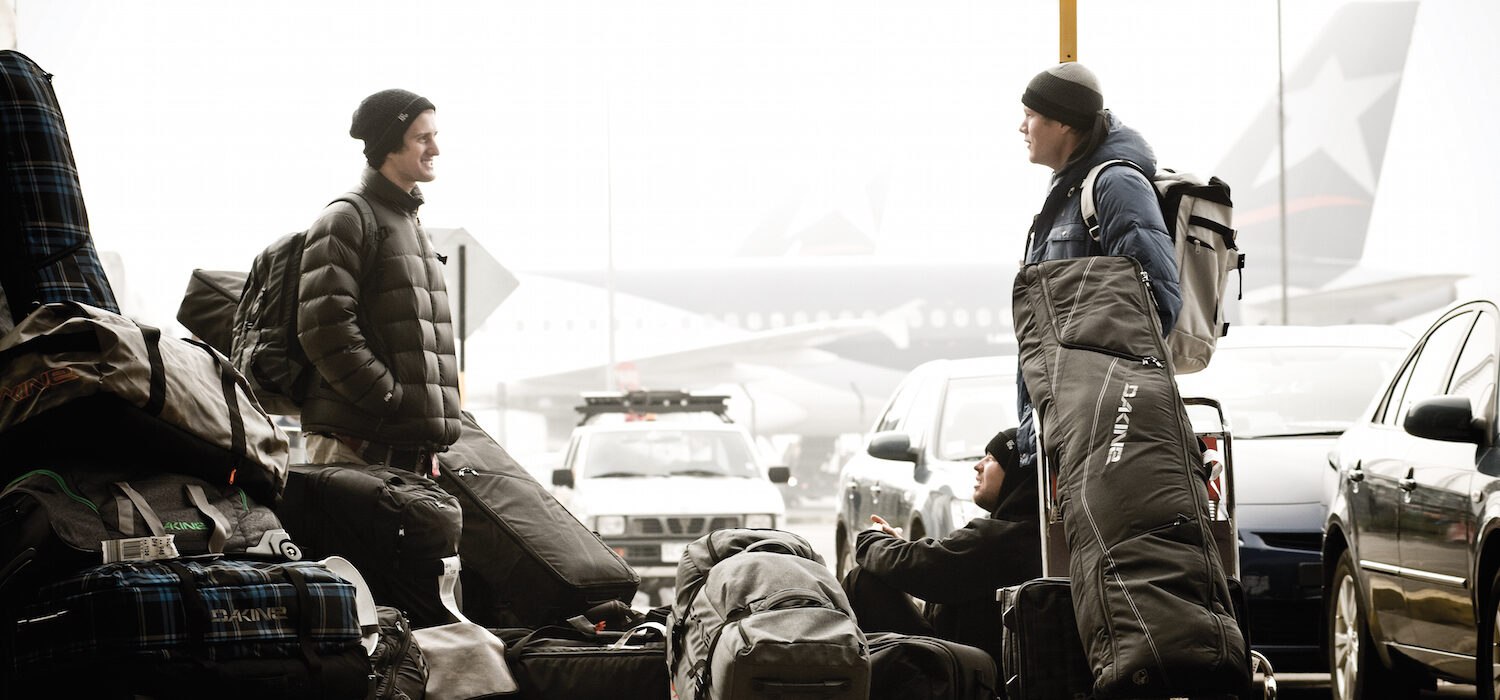
Image top credit Dakine